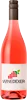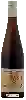
Winery HaweskoGuter Grund Grauburgunder
 White wine


In the mouth this white wine is a .
This wine generally goes well with pork, cured meat or mushrooms.

Taste structure of the Guter Grund Grauburgunder from the Winery Hawesko
Light | Bold | |
Dry | Sweet | |
Soft | Acidic |
In the mouth the Guter Grund Grauburgunder of Winery Hawesko in the region of Pfalz is a .
Food and wine pairings with Guter Grund Grauburgunder
Pairings that work perfectly with Guter Grund Grauburgunder



Original food and wine pairings with Guter Grund Grauburgunder

The Guter Grund Grauburgunder of Winery Hawesko matches generally quite well with dishes of pork, spicy food or mushrooms such as recipes of pasta "carbonara" à la française, genuine chicken tagine olive and lemon confit tagine with argan oil or veal blanquette à l'ancienne.
Details and technical informations about Winery Hawesko's Guter Grund Grauburgunder.
Discover the grape variety: Gamay de Chaudenay
Intensely coloured, simple reds with an opaque purple robe (red pulp), supple tannins and a light palate with moderate acidity, featuring discreet aromas of red fruits. Teinturier profile. Once used to intensify the colour of blends, now marginal and surviving in a few plots in Beaujolais and Burgundy as well as in ampelographic collections. Teinturier mutation of Gamay, obtained at Chaudenay in the 19th century.
Last vintages of this wine
The best vintages of Guter Grund Grauburgunder from Winery Hawesko are 2020, 0
Informations about the Winery Hawesko
The Winery Hawesko is one of of the world's great estates. It offers 41 wines for sale in the of Pfalz to come and discover on site or to buy online.

The wine region of Pfalz
Fleshy, dry, fruity Riesling is the region's signature: yellow peach, apricot, ripe citrus, lovely mineral tension. Germany's largest red-wine area (40%), with silky Spätburgunder showing red fruit and spice, darker structured Dornfelder, supple Portugieser. Some rounded Pinot Blanc and Pinot Gris. A 23,640 ha vineyard along the Haardt, among Germany's warmest (>2,000 h of sun).
The word of the wine: Load shedding
Unlike pumping over, the liquid part is completely removed from the tank before being poured over the marc. This allows for a better mixing of the solid particles and the juice.