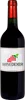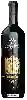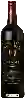
Château Haute BonnetieComte De Laborde Bordeaux
 Other wine
This wine generally goes well with poultry, beef or veal.
Food and wine pairings with Comte De Laborde Bordeaux
Pairings that work perfectly with Comte De Laborde Bordeaux



Original food and wine pairings with Comte De Laborde Bordeaux

The Comte De Laborde Bordeaux of Château Haute Bonnetie matches generally quite well with dishes of beef, veal or game (deer, venison) such as recipes of venison stew to be prepared the day before, veal cutlets au gratin or pizza of the south west : duck breast, roquefort.
Details and technical informations about Château Haute Bonnetie's Comte De Laborde Bordeaux.
Discover the grape variety: Pinot blanc
Pinot Blanc is a grape variety that originated in Burgundy, mutated from Pinot Gris. Today, it is grown in Alsace where it is called klevner when blended with auxerrois. The continental climate, with its cold winters and hot summers, is particularly suited to pinot blanc. It is resistant to frost in winter and in summer, the roots draw the minerals it needs from the warm soil. Its bunches are made up of small berries with thick skins and melting pulp that produce fruity, spicy wines, balanced between acidity and alcohol. pinot blanc is also used for crémants and sparkling wines. Pinot Blanc is also used for Crémant and sparkling wines. It is widely grown in Italy, where it covers almost 7,000 hectares, and is also found in Germany, Austria, Canada and South Africa.
Informations about the Château Haute Bonnetie
The Château Haute Bonnetie is one of of the world's greatest estates. It offers 2 wines for sale in the of Bordeaux to come and discover on site or to buy online.

The wine region of Bordeaux
Bordeaux, in southwestern France, is one of the most famous, prestigious and prolific wine regions in the world. The majority of Bordeaux wines (nearly 90% of the production Volume) are the Dry, medium and Full-bodied red Bordeaux blends for which it is famous. The finest (and most expensive) are the wines of the great châteaux of Haut-Médoc and the right bank appellations of Saint-Émilion and Pomerol. The former focuses (at the highest level) on Cabernet Sauvignon, the latter on Merlot.
The word of the wine: Fees
This wine is characterized by a pleasant nervousness and an overall sensation of freshness on the palate, reinforced by minerality, a note of bitterness, a hint of CO2, and of course an appropriate serving temperature.