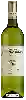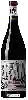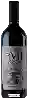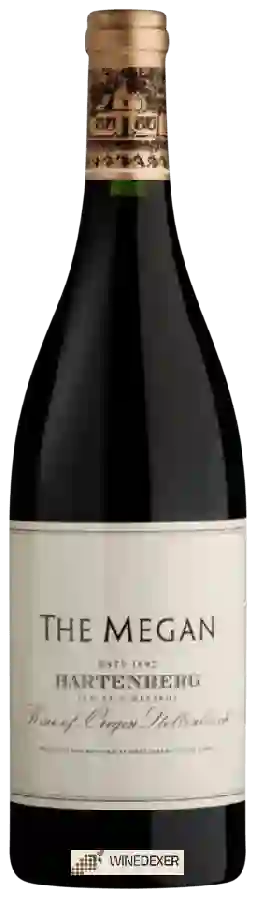
Winery HartenbergThe Megan
 Red wine


This wine generally goes well with

Wine flavors and olphactive analysis




On the nose the The Megan of Winery Hartenberg in the region of Western Cape often reveals types of flavors of oaky, red fruit or vanilla and sometimes also flavors of black cherries, plum or pepper.
Details and technical informations about Winery Hartenberg's The Megan.
Discover the grape variety: Pecorino
Structured, aromatic whites with firm acidity and an ample mouth, featuring aromas of citrus, yellow peach, aromatic herbs (sage, thyme), almond, white flowers and saline mineral notes. Fine length and ageing capacity. Star of Offida Pecorino DOCG in the Marche and Abruzzo Pecorino DOC, driving force behind the revival of great modern Adriatic whites. Native Italian grape rediscovered in the 1980s after near-disappearance.
Last vintages of this wine
The best vintages of The Megan from Winery Hartenberg are 2015, 2014, 2016
Informations about the Winery Hartenberg
The Winery Hartenberg is one of of the world's greatest estates. It offers 48 wines for sale in the of Stellenbosch to come and discover on site or to buy online.

The wine region of Stellenbosch
Showcase of the South African vineyard: signature Cabernet Sauvignon as king red — structured and age-worthy with notes of blackcurrant, blackberry, cedar, tobacco and a menthol touch, firm tannins. Emblematic national Pinotage (created 1925) opulent and smoky (blackberry, coffee, leather). Fleshy Shiraz, supple Merlot as complement. Vibrant Chenin Blanc, ample Chardonnay and lively Sauvignon in whites.
The wine region of Western Cape
Cradle of South African wine. Signature Chenin Blanc (Steen, 20%) in ample, fresh whites with notes of quince, yellow apple, honey and acacia flower, from crisp dry to sweet. Sharp, iodised Sauvignon Blanc (Walker Bay, Constantia), balanced Chardonnay. Reds: emblematic Pinotage with roasted aromas (coffee, plum, smoke), firm Cabernet Sauvignon, spicy Syrah.
The word of the wine: Wiring
Action of periodically filling barrels containing wine, in order to offset evaporation and maintain a maximum level. The topping up allows to avoid the phenomenon of oxidation.