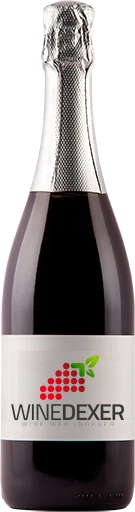
Winery Hanspeter KunzFläscher Hampagner
 Sparkling wine


This wine generally goes well with
Details and technical informations about Winery Hanspeter Kunz's Fläscher Hampagner.
Discover the grape variety: Manto negro
This grape variety is native to the Balearic Islands (Spain), more precisely to the island of Mayorque, and has been cultivated for a very long time. D.N.A. analyses have shown that it is the result of a natural cross between the sabaté and the callet cas concos (negrella), the latter being in danger of extinction. Manto negro is hardly known in other wine-producing countries, but in France it should be interesting for the production of original rosé wines that are pleasant to drink.
Last vintages of this wine
The best vintages of Fläscher Hampagner from Winery Hanspeter Kunz are 0
Informations about the Winery Hanspeter Kunz
The Winery Hanspeter Kunz is one of of the world's greatest estates. It offers 8 wines for sale in the of Graubünden to come and discover on site or to buy online.

The wine region of Graubünden
Graubunden (or Grisons, in the French language) is the easternmost administrative canton and wine appellation of Switzerland. Bordering Austria, this alpine region boasts just over 400 hectares (990 acres) of Vineyard, predominantly Pinot Noir grown in the Bündner Herrschaft and wider valleys of the Maienfeld region. The largest canton by land area in the country and the source of the Rhine river, Graubunden is basically divided into fertile valley floor and soaring alpine peaks. After making its way down from its source at the Tomasee, high in the Alps, the Rhine turns Northwards, through the substantial valley it has carved for itself over many millennia.
The word of the wine: Assembly
Blending of several wines to obtain a single batch. Using wines of the same origin, blending is very different from coupage - a mixture of wines from different origins - which has a pejorative connotation.