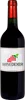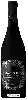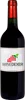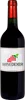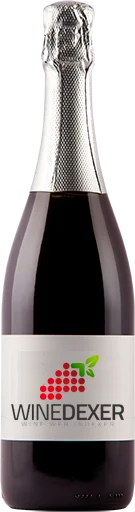
Winery Hans MoserExtra Brut
 Sparkling wine
This wine is a blend of 2 varietals which are the Chardonnay and the Pinot blanc.
This wine generally goes well with pork, vegetarian or poultry.

Food and wine pairings with Extra Brut
Pairings that work perfectly with Extra Brut



Original food and wine pairings with Extra Brut


The Extra Brut of Winery Hans Moser matches generally quite well with dishes of pork, rich fish (salmon, tuna etc) or shellfish such as recipes of baeckeoffe, sea bream with white wine or squid from the mouth of the cavado river (portugal).
Details and technical informations about Winery Hans Moser's Extra Brut.
Discover the grape variety: Chardonnay
Whites with many faces: mineral and taut at Chablis (lemon, green apple, flint), opulent and buttery at Meursault and Puligny-Montrachet (hazelnut, brioche, yellow fruits), tense and chalky in Champagne (Blanc de Blancs). Also vinified sparkling and widely exported (Sonoma, Margaret River, Casablanca). A Burgundian variety, a cross of Pinot Noir × Gouais Blanc, half-sibling of Aligoté.
Informations about the Winery Hans Moser
The Winery Hans Moser is one of of the world's great estates. It offers 17 wines for sale in the of Burgenland to come and discover on site or to buy online.

The wine region of Burgenland
Cradle of great Austrian reds. Signature Blaufränkisch: structured, spicy reds with black fruits (blackberry, black cherry), firm tannins and lively acidity, mineral profile. More supple Zweigelt on red fruit. Lively Welschriesling, peppery Grüner Veltliner, round Chardonnay whites.
The wine region of Weinland
Vast German-speaking region in north-eastern Switzerland, the country's largest production area. Signature Pinot Noir (Blauburgunder): fine, fresh reds with notes of cherry, raspberry, undergrowth and sweet spices, silky tannins. Elegant, delicate style, often barrel-aged. Also light, floral Müller-Thurgau (Riesling-Sylvaner), lively, lemony native Räuschling, ample Pinot Gris.
The word of the wine: Reduction
A physiological and chemical phenomenon that occurs in wine in the absence of oxygen. The smell of reduction is characterized by animal and sometimes fetid notes that disappear in principle with aeration. It is recommended to decant reduced wines.