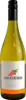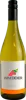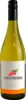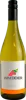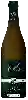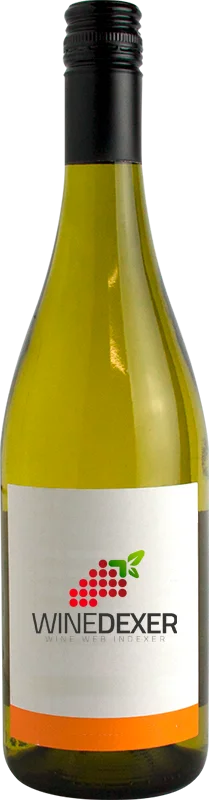
Winery Winzerverein HagnauerGrauburgunder
 White wine



In the mouth this white wine is a powerful.
This wine generally goes well with pork, cured meat or mushrooms.

Taste structure of the Grauburgunder from the Winery Winzerverein Hagnauer
Light | Bold | |
Dry | Sweet | |
Soft | Acidic |
In the mouth the Grauburgunder of Winery Winzerverein Hagnauer in the region of Baden is a powerful.
Wine flavors and olphactive analysis

On the nose the Grauburgunder of Winery Winzerverein Hagnauer in the region of Baden often reveals types of flavors of non oak, tree fruit.
Food and wine pairings with Grauburgunder
Pairings that work perfectly with Grauburgunder


Original food and wine pairings with Grauburgunder

The Grauburgunder of Winery Winzerverein Hagnauer matches generally quite well with dishes of pork, spicy food or mushrooms such as recipes of andouillette and baked potato gratin, daube niçoise or broth for chinese fondue.
Details and technical informations about Winery Winzerverein Hagnauer's Grauburgunder.
Discover the grape variety: Freisamer
Rich and full-bodied whites with good ageing potential, a deeper golden colour, a full and creamy palate with moderate acidity and signature aromas of ripe yellow fruits (peach, apricot), honey, hazelnut and buttery notes. A structured and vinous profile. Grown on small surfaces in Germany (Baden) and Switzerland for structured, age-worthy whites. White variety obtained in 1916 in Freiburg im Breisgau (Silvaner × Pinot Gris).
Last vintages of this wine
The best vintages of Grauburgunder from Winery Winzerverein Hagnauer are 0
Informations about the Winery Winzerverein Hagnauer
The Winery Winzerverein Hagnauer is one of of the world's great estates. It offers 88 wines for sale in the of Baden to come and discover on site or to buy online.

The wine region of Baden
German capital of Pinot Noir (Spätburgunder): silky, fine reds with notes of red fruits, cherry, undergrowth and sweet spices, melted tannins. Round Grauburgunder (Pinot Gris), lively Weissburgunder, supple Müller-Thurgau, mineral Riesling. Germany's 3rd region (15,000 ha) in Baden-Württemberg facing Alsace, one of the country's warmest climates, volcanic soils at the Kaiserstuhl. Cradle of modern great German reds, elegant and fine.
The word of the wine: Rancio
Odour and taste characteristic of certain wines that have undergone oxidative maturation, i.e. in contact with oxygen (vin jaune du Jura, dry rancio du Roussillon, maury, banyuls, rivesaltes, etc.).