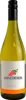
Winery HaakMadeira Blanc du Bois
 Sweet wine


This wine generally goes well with spicy food and sweet desserts.
The Madeira Blanc du Bois of the Winery Haak is in the top 60 of wines of Texas.

Wine flavors and olphactive analysis





On the nose the Madeira Blanc du Bois of Winery Haak in the region of Texas often reveals types of flavors of non oak, earth or microbio and sometimes also flavors of vegetal, oak or tree fruit.
Food and wine pairings with Madeira Blanc du Bois
Pairings that work perfectly with Madeira Blanc du Bois


Original food and wine pairings with Madeira Blanc du Bois
The Madeira Blanc du Bois of Winery Haak matches generally quite well with dishes of spicy food or sweet desserts such as recipes of delicious thai chicken or tarte tatin.
Details and technical informations about Winery Haak's Madeira Blanc du Bois.
Discover the grape variety: Chinuri
Lively, structured dry whites with a pale golden hue, a lean palate and sharp acidity, with delicate notes of citrus (lemon, grapefruit), green apple, pear, white flowers, fresh herbs and minerals. Also a pillar of Georgia's great traditional-method sparkling wines. Star of Kartli, often vinified in qvevri (buried clay jars). Native Georgian variety for dry and sparkling whites.
Last vintages of this wine
The best vintages of Madeira Blanc du Bois from Winery Haak are 2013, 2014, 2012, 2011 and 0.
Informations about the Winery Haak
The Winery Haak is one of of the world's greatest estates. It offers 33 wines for sale in the of Texas to come and discover on site or to buy online.

The wine region of Texas
5th US producer with a Mediterranean style suited to the heat. Signature Tempranillo as red: fleshy and fruity with notes of ripe cherry, plum and sweet spices, round tannins. Also dense Tannat, spicy Mourvèdre, juicy Sangiovese, peppery Syrah. Suited aromatic whites: full Viognier (apricot, flowers), saline Vermentino, lively Albariño.
The word of the wine: Downy mildew
Disease of the vine due to a fungus. Downy mildew is formidable because it attacks all the organs, from the stem to the grapes, including the leaves, in depth. It was against it that the famous copper and lime-based Bordeaux mixture was developed.