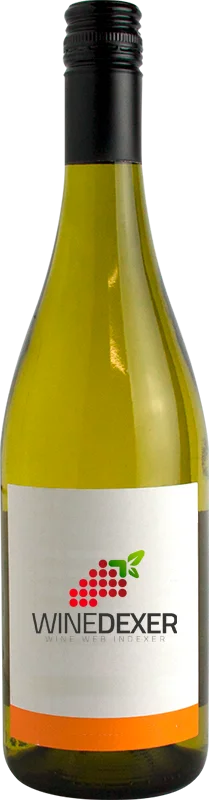
Winery GWCΑλλοτινό Ρετσίνα
 White wine



This wine generally goes well with

Details and technical informations about Winery GWC's Αλλοτινό Ρετσίνα.
Discover the grape variety: Tourbat
Structured and aromatic dry whites with a pale golden hue, an ample palate with preserved acidity, and signature aromas of citrus (lemon, grapefruit), white flowers, white-fleshed fruits and saline mineral notes. Refined Mediterranean profile. Contributes to distinctive Roussillon blends. French autochthonous white grape from Roussillon, identical to the Sardinian Torbato according to genetic analyses, grown in small quantities.
Last vintages of this wine
The best vintages of Αλλοτινό Ρετσίνα from Winery GWC are 0
Informations about the Winery GWC
The Winery GWC is one of of the world's great estates. It offers 45 wines for sale in the of Nemea to come and discover on site or to buy online.

The wine region of Nemea
Flagship Peloponnese appellation (north-east) and Greece's largest red PDO: exclusive signature Agiorgitiko in red (Saint George grape) — deep ruby with concentrated signature aromas of cherry, raspberry, pomegranate, plum and a cassis touch, spicy profile, moderate acidity and generous fruit. Versatile style — light, easy reds to drink young, complex age-worthy reds, sometimes sweet. PDO Nemea, varied altitude, signature diurnal swings, late-ripening grape.
The wine region of Peloponnesos
Southern Greece, the country's 2nd region by volume, high-altitude vineyards (200-900 m). Signature Agiorgitiko at Nemea ("Hercules' Blood"): deep ruby reds with signature notes of black cherry, plum, blackberry, sweet spices and a balsamic touch, supple tannins and a velvety palate — fleshy and accessible. At Mantinia (600 m), pink-skinned Moschofilero gives aromatic whites (rose, citrus, white flowers). Sweet fortified Mavrodaphne, fresh Roditis.
The word of the wine: Sulphur
An antiseptic and antioxidant substance known since antiquity, probably already used by the Romans. But it was only in modern times that its use was rediscovered. It will allow a better conservation of the wine and thus favour its export. Sulphur also gave the 18th century winegrower the possibility of extending the maceration period without fearing that the wine would turn sour and thus go from dark rosé wines to the red wines of today. Excessive sulphur, on the other hand, kills happiness, paralysing the aromas and causing headaches.