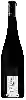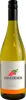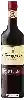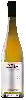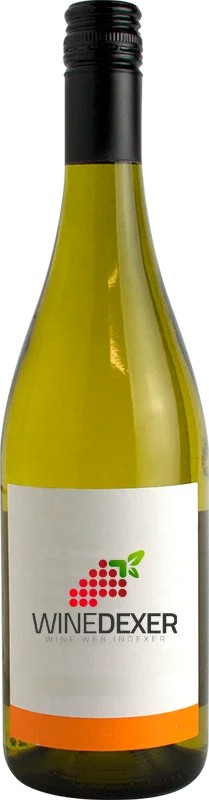
Winery GussekDachsberg Weisser Burgunder
 White wine
In the mouth this white wine is a with a nice freshness.
This wine generally goes well with rich fish (salmon, tuna etc), shellfish or mild and soft cheese.

Taste structure of the Dachsberg Weisser Burgunder from the Winery Gussek
Light | Bold | |
Dry | Sweet | |
Soft | Acidic |
In the mouth the Dachsberg Weisser Burgunder of Winery Gussek in the region of Saale-Unstrut is a with a nice freshness.
Food and wine pairings with Dachsberg Weisser Burgunder
Pairings that work perfectly with Dachsberg Weisser Burgunder



Original food and wine pairings with Dachsberg Weisser Burgunder

The Dachsberg Weisser Burgunder of Winery Gussek matches generally quite well with dishes of rich fish (salmon, tuna etc), shellfish or mild and soft cheese such as recipes of salmon in foil in the microwave, cuttlefish a la plancha or tuna pizza.
Details and technical informations about Winery Gussek's Dachsberg Weisser Burgunder.
Discover the grape variety: Greco
Structured, aromatic dry whites with a pale golden robe, an ample palate and preserved acidity, with signature aromas of yellow fruits (pear, peach, apricot), white flowers (acacia), almond, volcanic mineral notes and a typical bitter finish. Fine ageing potential. Absolute star of Greco di Tufo DOCG, one of Italy's great southern whites. Italian variety of Greek origin (hence its name), grown in Campania and southern Italy.
Informations about the Winery Gussek
The Winery Gussek is one of of the world's great estates. It offers 47 wines for sale in the of Saale-Unstrut to come and discover on site or to buy online.

The wine region of Saale-Unstrut
Germany's northernmost region (Saxony-Anhalt), ~650 ha. Nordic whites that are dry, lively and mineral with signature notes of green apple, citrus, white flowers, fresh herbs and a crisp finish — a direct, thirst-quenching style. Dominant Muller-Thurgau (~22%) light and floral, Weissburgunder (Pinot Blanc) round and precise, herbaceous Silvaner and taut Riesling. Early grapes suited to the harsh continental climate.
The word of the wine: Malolactic fermentation
Called second fermentation or malo for short. It is the degradation (under the effect of bacteria) of the malic acid naturally present in the wine into milder, less aggressive lactic acid. Some producers or wineries refuse this operation by "blocking the malo" (by cold and adding SO2) to keep a maximum of acidity which carries the aromas and accentuates the sensation of freshness.