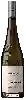
Winery GuimarãesPetillante Naturel
 White wine



In the mouth this white wine is a with a nice freshness.
This wine generally goes well with appetizers and snacks, lean fish or shellfish.

Taste structure of the Petillante Naturel from the Winery Guimarães
Light | Bold | |
Dry | Sweet | |
Soft | Acidic |
In the mouth the Petillante Naturel of Winery Guimarães in the region of Minho is a with a nice freshness.
Food and wine pairings with Petillante Naturel
Pairings that work perfectly with Petillante Naturel



Original food and wine pairings with Petillante Naturel

The Petillante Naturel of Winery Guimarães matches generally quite well with dishes of shellfish, appetizers and snacks or lean fish such as recipes of chicken with scampi for christmas, bread with cheese and bacon or festive sea pot.
Details and technical informations about Winery Guimarães's Petillante Naturel.
Discover the grape variety: Carcajolo Bianco
Fresh, simple dry whites with a pale golden robe, a supple palate and preserved acidity. Understated aromas of citrus, white flowers and Mediterranean iodine notes. Rustic, airy profile, best drunk young. A precious witness of Corsica's insular ampelographic heritage, often blended in local whites and subject to conservation plantings under the CRVI. White mutation of Carcajolo Noir, a rare Corsican grape grown in Corse-du-Sud.
Last vintages of this wine
The best vintages of Petillante Naturel from Winery Guimarães are 2018, 0
Informations about the Winery Guimarães
The Winery Guimarães is one of of the world's greatest estates. It offers 9 wines for sale in the of Vinho Verde to come and discover on site or to buy online.

The wine region of Vinho Verde
Portuguese star of fresh, slightly sparkling white. High-end Alvarinho in Monção and Melgaço: mineral, precise whites with signature notes of lemon, white peach, flowers and a tense saline finish. Aromatic Loureiro (orange blossom, bay leaf), round Trajadura, full Avesso, lively Arinto. Light natural effervescence, low alcohol (9-11°), sharp vivacity: ideal aperitif and seafood.
The wine region of Minho
Portugal's northernmost region, heart of Atlantic Vinho Verde. Signature lively, lightly sparkling whites with signature notes of citrus, green apple, white flowers, fresh herbs and a saline touch, thirst-quenching, low-alcohol palate — the sunshine wine par excellence. High-end star Alvarinho (peach, exotic fruits, minerality), floral Loureiro (laurel), ample Trajadura, taut Arinto, structured Avesso. Vinhão as lively red.
The word of the wine: Fade in
Said of a wine whose different elements are perceived in the mouth in a pleasant and harmonious way.