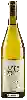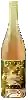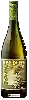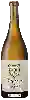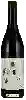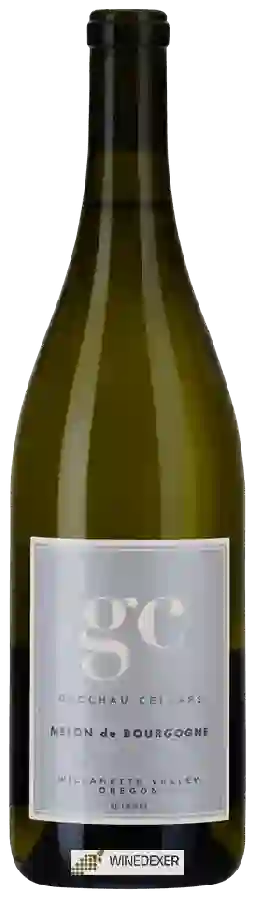
Winery Grochau CellarsMelon de Bourgogne
 White wine


This wine generally goes well with
Wine flavors and olphactive analysis




On the nose the Melon de Bourgogne of Winery Grochau Cellars in the region of Oregon often reveals types of flavors of earth, microbio or oak and sometimes also flavors of tree fruit, citrus fruit.
Details and technical informations about Winery Grochau Cellars's Melon de Bourgogne.
Discover the grape variety: Merlot khantus
An interspecific cross between Merlot noir and Kozma 20-3 (also the same parents of Merlot khorus) obtained in 2002 by Simone Diego Castellarin and Guido Cipriani at the Institute of Applied Genomics in Udine, Italy. Merlot khantus is particularly resistant to mildew and tolerant to powdery mildew. Known in Italy ... almost unknown in France and not registered in the Official Catalogue of wine grape varieties.
Last vintages of this wine

The best vintages of Melon de Bourgogne from Winery Grochau Cellars are 2015, 2018, 0, 2017 and 2016.
Informations about the Winery Grochau Cellars
The Winery Grochau Cellars is one of of the world's greatest estates. It offers 30 wines for sale in the of Willamette Valley to come and discover on site or to buy online.

The wine region of Willamette Valley
The wine region of Willamette Valley is located in the region of Oregon of United States. We currently count 717 estates and châteaux in the of Willamette Valley, producing 2296 different wines in conventional, organic and biodynamic agriculture. The wines of Willamette Valley go well with generally quite well with dishes .
The wine region of Oregon
Oregon, located in the Pacific Northwest of the United States, is one of the youngest and most promising wine regions in the world. The state put itself on the international wine map in the late 1960s and has been building its position ever since. Production volumes have remained relatively quiet. The 2017 Oregon Vineyards and Wineries report recorded just under 34,000 acres (13,750 hectares) of planted vineyards.
The word of the wine: Rootstock
American vine on which a French vine is grafted. This is the consequence of the phylloxera that destroyed the vineyard at the end of the 19th century: after much trial and error, it was discovered that the "pest" spared the roots of the American vines, and the technique became widespread.