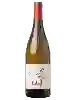
Château Grand Terrier des EyriauxCôtes De Duras
 White wine
This wine generally goes well with vegetarian, rich fish (salmon, tuna etc) or shellfish.
Food and wine pairings with Côtes De Duras
Pairings that work perfectly with Côtes De Duras



Original food and wine pairings with Côtes De Duras
The Côtes De Duras of Château Grand Terrier des Eyriaux matches generally quite well with dishes of beef, lamb or poultry such as recipes of beef miroton, marinated lamb chops (honey, worcestershire sauce, olive oil) or old-fashioned chicken in a pot.
Details and technical informations about Château Grand Terrier des Eyriaux's Côtes De Duras.
Discover the grape variety: Freisa
Most certainly from the Italian Piedmont. It is also found in Argentina. We have noted that this variety has a great resemblance with the nebbiolo, also from the Italian Piedmont. According to genetic analyses published in Switzerland, Freisa is a descendant of Viognier and a half-sister of Rèze.
Informations about the Château Grand Terrier des Eyriaux
The Château Grand Terrier des Eyriaux is one of of the world's greatest estates. It offers 4 wines for sale in the of South West to come and discover on site or to buy online.

The wine region of South West
The South-West is a large territorial area of France, comprising the administrative regions of Aquitaine, Limousin and Midi-Pyrénées. However, as far as the French wine area is concerned, the South-West region is a little less clear-cut, as it excludes Bordeaux - a wine region so productive that it is de facto an area in its own right. The wines of the South West have a Long and eventful history. The local rivers play a key role, as they were the main trade routes to bring wines from traditional regions such as Cahors, Bergerac, Buzet and Gaillac to their markets.
The word of the wine: White Grenache
White grape variety cultivated mainly in Spain and a little in the south of France (southern Rhône valley, Languedoc-Roussillon). It is the white variety of Grenache noir. It is used in the blending of several white wines (dry wines or natural sweet wines) to which it gives richness, fatness and floral notes.