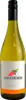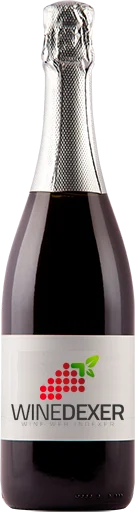
Winery Gotto d'OroCastelli Romani Frizzante
 Sparkling wine


This wine generally goes well with pork, beef or lamb.

Food and wine pairings with Castelli Romani Frizzante
Pairings that work perfectly with Castelli Romani Frizzante



Original food and wine pairings with Castelli Romani Frizzante

The Castelli Romani Frizzante of Winery Gotto d'Oro matches generally quite well with dishes of beef, lamb or pork such as recipes of spaghetti bolognese, lamb stew or penne à la toscane.
Details and technical informations about Winery Gotto d'Oro's Castelli Romani Frizzante.
Discover the grape variety: Mornen
Light and fruity reds with a clear ruby colour, smooth tannins, an airy palate with preserved acidity, and aromas of red fruits (raspberry) with discreet peppery notes. Rustic Rhône Valley profile. Preserved for its heritage value, surviving in a few patrimonial plots in Ardèche; studied for its ampelographic interest. Native French black variety, formerly grown in Ardèche and the Rhône Valley.
Last vintages of this wine
The best vintages of Castelli Romani Frizzante from Winery Gotto d'Oro are 2017, 2015, 0
Informations about the Winery Gotto d'Oro
The Winery Gotto d'Oro is one of of the world's great estates. It offers 63 wines for sale in the of Lazio to come and discover on site or to buy online.

The wine region of Lazio
Two-millennia Roman vineyard, predominantly white on the volcanic soils of the Castelli Romani. Frascati DOC as figurehead: fresh, accessible whites based on Malvasia and Trebbiano, notes of green apple, white flowers and almond, slightly bitter finish. Also Bellone and Grechetto. Emblematic red: Cesanese del Piglio DOCG, fleshy with notes of ripe cherry, dry herbs and spice, round tannins.
The word of the wine: Castle
A term often used to designate wineries, even if they do not have a real castle.