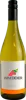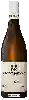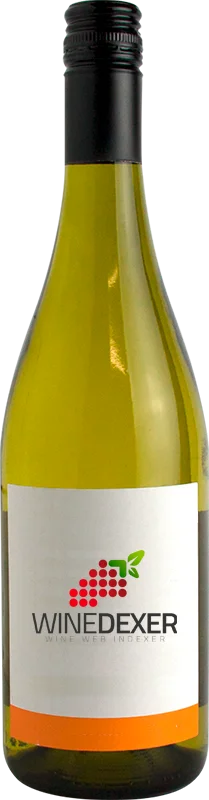
Winery GoldenkloofSauvignon Blanc
 White wine



In the mouth this white wine is a with a nice freshness.
This wine generally goes well with vegetarian, shellfish or goat cheese.

Taste structure of the Sauvignon Blanc from the Winery Goldenkloof
Light | Bold | |
Dry | Sweet | |
Soft | Acidic |
In the mouth the Sauvignon Blanc of Winery Goldenkloof in the region of Western Cape is a with a nice freshness.
Food and wine pairings with Sauvignon Blanc
Pairings that work perfectly with Sauvignon Blanc


Original food and wine pairings with Sauvignon Blanc
The Sauvignon Blanc of Winery Goldenkloof matches generally quite well with dishes of shellfish, vegetarian or goat cheese such as recipes of shrimp, coconut and ginger soup, spinach and goat cheese quiche or wholemeal potato gratin.
Details and technical informations about Winery Goldenkloof's Sauvignon Blanc.
Discover the grape variety: Mara
Light, fruity reds with a clear ruby robe, smooth tannins and a supple palate of simple red fruits (raspberry, strawberry, cherry), gentle spices and floral notes. A thirst-quenching profile to drink young. Once grown in the South-West, now nearly extinct, preserved in INRAE varietal collections for its genetic value. A rare French grape, witness to the pre-phylloxera ampelographic diversity of the South-West.
Last vintages of this wine
The best vintages of Sauvignon Blanc from Winery Goldenkloof are 2020, 0, 2019
Informations about the Winery Goldenkloof
The Winery Goldenkloof is one of of the world's greatest estates. It offers 3 wines for sale in the of Western Cape to come and discover on site or to buy online.

The wine region of Western Cape
Cradle of South African wine. Signature Chenin Blanc (Steen, 20%) in ample, fresh whites with notes of quince, yellow apple, honey and acacia flower, from crisp dry to sweet. Sharp, iodised Sauvignon Blanc (Walker Bay, Constantia), balanced Chardonnay. Reds: emblematic Pinotage with roasted aromas (coffee, plum, smoke), firm Cabernet Sauvignon, spicy Syrah.
The word of the wine: Drawing (liqueur de)
In champagne and sparkling wines of traditional method, addition to the wine, at the time of bottling (tirage) of sugars and yeasts dissolved in wine. These components will provoke the second fermentation in the bottle leading to the formation of carbon dioxide bubbles.