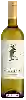
Winery Gérard BertrandMuscat Sec Classic
 White wine



In the mouth this white wine is a .
This wine generally goes well with vegetarian, poultry or lean fish.

Taste structure of the Muscat Sec Classic from the Winery Gérard Bertrand
Light | Bold | |
Dry | Sweet | |
Soft | Acidic |
In the mouth the Muscat Sec Classic of Winery Gérard Bertrand in the region of Pays d'Oc is a .
Food and wine pairings with Muscat Sec Classic
Pairings that work perfectly with Muscat Sec Classic



Original food and wine pairings with Muscat Sec Classic


The Muscat Sec Classic of Winery Gérard Bertrand matches generally quite well with dishes of pasta, vegetarian or poultry such as recipes of capellini with prosciutto, broccoli and blue cheese quiche without pastry or croque madame.
Details and technical informations about Winery Gérard Bertrand's Muscat Sec Classic .
Discover the grape variety: Muscat Bailey A
Supple, fruity reds with a moderate ruby robe, silky tannins and a direct palate, with signature Muscat aromas (fresh grape, rose), red fruits (cherry, strawberry), candy and hybrid herbal notes. A simple, early-ripening profile. Widely grown in Japan (Yamanashi, Nagano), it is the emblem of modern Japanese reds. Black hybrid grape created in 1927 by Zenbei Kawakami, a Bailey × Muscat Hamburg cross.
Informations about the Winery Gérard Bertrand
The Winery Gérard Bertrand is one of wineries to follow in Pays d'Oc.. It offers 399 wines for sale in the of Pays d'Oc to come and discover on site or to buy online.

The wine region of Pays d'Oc
The single-grape IGP par excellence: modern, accessible, frank and fruity wines, the popular signature of the Midi. Spicy Syrah reds (pepper, blackberry), round Merlot, structured Cabernet, generous Grenache, supple Cinsault. Crisp, tangy rosés. Opulent Chardonnay whites, lively Sauvignon, floral, apricoty Viognier.
The word of the wine: Serious
A Bordeaux term for small pebbles from the Pyrenees, eroded, rounded and transported by the Garonne to Aquitaine. They are mainly found on the left bank in the area.... known as the Graves, and further downstream in the Médoc. By extension, gravel is found in other regions, brought by other rivers or even glaciers.