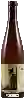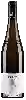
Winery Georg ZangSilvaner Alte Reben Spätlese Trocken
 White wine


In the mouth this white wine is a with a nice freshness.
This wine generally goes well with pork, vegetarian or poultry.

Taste structure of the Silvaner Alte Reben Spätlese Trocken from the Winery Georg Zang
Light | Bold | |
Dry | Sweet | |
Soft | Acidic |
In the mouth the Silvaner Alte Reben Spätlese Trocken of Winery Georg Zang in the region of Franken is a with a nice freshness.
Wine flavors and olphactive analysis

Food and wine pairings with Silvaner Alte Reben Spätlese Trocken
Pairings that work perfectly with Silvaner Alte Reben Spätlese Trocken



Original food and wine pairings with Silvaner Alte Reben Spätlese Trocken


The Silvaner Alte Reben Spätlese Trocken of Winery Georg Zang matches generally quite well with dishes of veal, pork or vegetarian such as recipes of express veal stew in a pressure cooker, ollada (catalonia) or cream and tuna quiche.
Details and technical informations about Winery Georg Zang's Silvaner Alte Reben Spätlese Trocken.
Discover the grape variety: Bouvier
Aromatic, supple whites with a pale golden robe and an airy palate, with signature muscat aromas, white flowers (acacia, orange blossom) and white-fleshed fruit (pear). Also as sweet and botrytised wines (Trockenbeerenauslese, Ausbruch). Grown in Austria (Burgenland), Hungary and Slovenia, for aromatic dry wines and great sweet wines. Austrian white variety obtained in 1900 by Clotar Bouvier in Slovenia, very early-ripening.
Last vintages of this wine
The best vintages of Silvaner Alte Reben Spätlese Trocken from Winery Georg Zang are 0
Informations about the Winery Georg Zang
The Winery Georg Zang is one of of the world's great estates. It offers 24 wines for sale in the of Franken to come and discover on site or to buy online.

The wine region of Franken
Homeland of German Silvaner: dry, straight, mineral and lively whites with notes of green apple, citrus, fresh herbs and a saline touch, planted here for over 350 years (1,500 ha, a quarter of the vineyard). Also supple, floral Müller-Thurgau, taut Riesling, aromatic Bacchus. Some discreet reds (Spätburgunder). 6,040 ha in Bavaria along the Main around Würzburg, red sandstone and shell-limestone soils.
The word of the wine: Phenolic ripeness
A distinction is made between the ripeness of sugars and acids and the ripeness of tannins and other compounds such as anthocyanins and tannins, which will bring structure and colour. Grapes can be measured at 13° potential without having reached this phenolic maturity. Vinified at this stage, they will give hard, astringent wines, without charm.