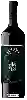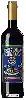
Winery GanciaCastello Gancia Barolo Chinato
 Sweet wine


This wine generally goes well with beef, veal or lamb.

Food and wine pairings with Castello Gancia Barolo Chinato
Pairings that work perfectly with Castello Gancia Barolo Chinato



Original food and wine pairings with Castello Gancia Barolo Chinato

The Castello Gancia Barolo Chinato of Winery Gancia matches generally quite well with dishes of beef, lamb or veal such as recipes of stewed beef heart, dad's lamb mouse or slow-cooked veal roast.
Details and technical informations about Winery Gancia's Castello Gancia Barolo Chinato.
Discover the grape variety: Nebbiolo
Austere, noble reds, pale in colour and quick to turn garnet, with powerful tannins and high acidity, showing aromas of sour cherry, faded rose, tar, white truffle, leather and balsamic notes with age. Outstanding ageing potential. Absolute star of Piedmont with Barolo DOCG and Barbaresco DOCG, also in Roero, Gattinara, Ghemme and Valtellina (Chiavennasca). A late-ripening Italian variety among the world's greatest.
Last vintages of this wine
The best vintages of Castello Gancia Barolo Chinato from Winery Gancia are 0
Informations about the Winery Gancia
The Winery Gancia is one of wineries to follow in Barolo Chinato.. It offers 94 wines for sale in the of Barolo Chinato to come and discover on site or to buy online.

The wine region of Barolo Chinato
Piedmontese DOCG aromatised wine (Barolo base 100% Nebbiolo, South American cinchona quinine, gentian, rhubarb, cinnamon, coriander, orange zest, clove): Nebbiolo is the signature fortified red — penetrating and ethereal with ripe fruit (blackberry, plum, strawberry), sweet spice, dry herbs, tobacco, tar, rose, dark chocolate and liquorice, distinctive bitterness from cinchona balanced by sweet botanicals, dry persistent finish, a meditation wine.
The wine region of Piedmont
Kingdom of Nebbiolo: Barolo and Barbaresco DOCG, long-ageing reds with firm tannins and lively acidity, complex aromas of withered rose, sour cherry, tar, truffle and undergrowth. More accessible, tangy Barbera on red fruit, supple, crisp Dolcetto. Sweet, floral sparkling Moscato d'Asti, mineral, lemony Gavi (Cortese) white, round, almondy Arneis from Roero. 50,000 ha across the Langhe, Roero and Monferrato, UNESCO.
The word of the wine: Ugni blanc
White grape variety of Italian origin, and the main white variety grown in France. Its large bunches give fine, light and lively wines, suitable for distillation: today it is the main variety for making cognac and armagnac. Ugni blanc, which is a little richer in alcohol when grown in Mediterranean regions, is used in the blending of the Provence and Corsica appellations, often in association with other grape varieties that bring aromas and structure, such as clairette, grenache blanc or sauvignon. Ugni blanc is also used, on a secondary basis, in the production of certain white wines in Gironde (AOC Bordeaux, Entre-deux-Mers, etc.).