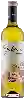
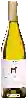
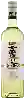
Winery GalernaChardonnay
 White wine



In the mouth this white wine is a .
This wine generally goes well with pork, vegetarian or poultry.

Taste structure of the Chardonnay from the Winery Galerna
Light | Bold | |
Dry | Sweet | |
Soft | Acidic |
In the mouth the Chardonnay of Winery Galerna in the region of Castille is a .
Food and wine pairings with Chardonnay
Pairings that work perfectly with Chardonnay



Original food and wine pairings with Chardonnay

The Chardonnay of Winery Galerna matches generally quite well with dishes of pork, rich fish (salmon, tuna etc) or vegetarian such as recipes of kale soup, papillotes of simple salmon steaks or quiche with bacon and gruyère cheese.
Details and technical informations about Winery Galerna's Chardonnay.
Discover the grape variety: Chardonnay
Whites with many faces: mineral and taut at Chablis (lemon, green apple, flint), opulent and buttery at Meursault and Puligny-Montrachet (hazelnut, brioche, yellow fruits), tense and chalky in Champagne (Blanc de Blancs). Also vinified sparkling and widely exported (Sonoma, Margaret River, Casablanca). A Burgundian variety, a cross of Pinot Noir × Gouais Blanc, half-sibling of Aligoté.
Last vintages of this wine
The best vintages of Chardonnay from Winery Galerna are 0, 2016
Informations about the Winery Galerna
The Winery Galerna is one of of the world's greatest estates. It offers 7 wines for sale in the of Castille to come and discover on site or to buy online.

The wine region of Castille
Cradle of great Castilian reds, high-altitude plateaus (450-1000 m) along the Duero. Tempranillo king (aka Tinta de Toro, Tinto Fino): powerful, concentrated, structured reds with notes of black cherry, plum, leather, tobacco and spice, firm tannins from altitude and cool nights. Stars: Ribera del Duero (Vega Sicilia, Pingus), fleshy Toro, Bierzo (floral, mineral Mencía). Lively, herbaceous Verdejo whites from Rueda.
The word of the wine: Stabilization
All the treatments intended for the good conservation of wines.