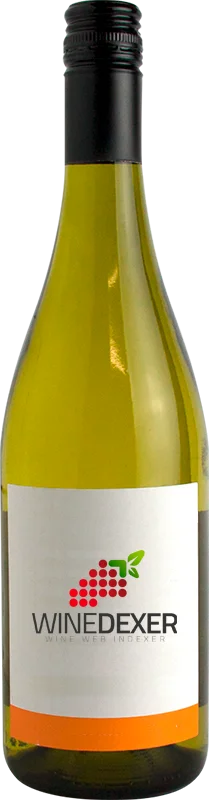
Winery Cantina GabrieleMoscato
 Sweet wine


This wine generally goes well with sweet desserts
The Moscato of the Winery Cantina Gabriele is in the top 5 of wines of Lazio.
Wine flavors and olphactive analysis




On the nose the Moscato of Winery Cantina Gabriele in the region of Lazio often reveals types of flavors of tropical, apples or peach and sometimes also flavors of apricot, honey or melon.
Food and wine pairings with Moscato
Pairings that work perfectly with Moscato

Original food and wine pairings with Moscato
The Moscato of Winery Cantina Gabriele matches generally quite well with dishes of sweet desserts such as recipes of yoghurt cake.
Details and technical informations about Winery Cantina Gabriele's Moscato.
Discover the grape variety: Gaïdouria
A very old and rare Greek grape variety that is still cultivated to some extent in the Cyclades, particularly in the Santorini archipelago. D.N.A. analyses have shown that it is related to Assyrtiko. On the island of Corfu, a black grape variety called Gaïdouricha is cultivated, but it is not related to Assyrtiko. Gaïdouria can be found in Turkey, but it is unknown in France and in most other wine-producing countries.
Last vintages of this wine

The best vintages of Moscato from Winery Cantina Gabriele are 2016, 2014, 2015, 2013 and 2012.
Informations about the Winery Cantina Gabriele
The Winery Cantina Gabriele is one of of the world's greatest estates. It offers 20 wines for sale in the of Lazio to come and discover on site or to buy online.

The wine region of Lazio
Lazio is a region in CentralItaly, where the ancient capital of Rome is located. The region's reputation is based primarily on its white wines, the main varieties of which are Trebbiano, Malvasia di Candia and Malvasia Puntinata. Traditionally, these wines were fat, Round, abboccato and intended for immediate consumption. Today, the styles are lighter, drier and crisper thanks to modern winemaking methods.
The word of the wine: Fleshed out
A full-bodied, tasty and fleshy wine, with velvety and smooth tannins.