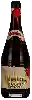
Winery Cantine F.lli FrancoliExpo Riserva
 wine
wine
This wine generally goes well with
The Expo Riserva of the Winery Cantine F.lli Francoli is in the top 0 of wines of Ghemme.

Details and technical informations about Winery Cantine F.lli Francoli's Expo Riserva.
Discover the grape variety: Pelaverga
Light, elegant reds with a clear ruby colour, silky tannins and a silky palate, showing intense signature aromas of white pepper (hallmark), spices, red fruits (strawberry, raspberry) and floral notes. Distinctly airy and spiced profile. Absolute star of the Verduno Pelaverga DOC, signature of a confidential Langhe terroir and one of the most distinctive Piedmontese reds. Native Piedmontese black variety grown almost exclusively around Verduno.
Informations about the Winery Cantine F.lli Francoli
The Winery Cantine F.lli Francoli is one of of the world's great estates. It offers 11 wines for sale in the of Ghemme to come and discover on site or to buy online.

The wine region of Ghemme
DOCG in Piedmont's Alto Piemonte (Novara province, foot of Monte Rosa), moraine clay-ferrous soils, continental climate tempered by Lakes Maggiore and Orta. Nebbiolo flagship red ("Spanna", ≥85%, aged 34 months with 18 in wood; Riserva 46 months): refined and elegant with cherry, raspberry, rose, tar and liquorice, firm tannins and lively acidity — an airy northern alternative to Barolo. Spicy Vespolina and supple Uva Rara complement.
The wine region of Piedmont
Kingdom of Nebbiolo: Barolo and Barbaresco DOCG, long-ageing reds with firm tannins and lively acidity, complex aromas of withered rose, sour cherry, tar, truffle and undergrowth. More accessible, tangy Barbera on red fruit, supple, crisp Dolcetto. Sweet, floral sparkling Moscato d'Asti, mineral, lemony Gavi (Cortese) white, round, almondy Arneis from Roero. 50,000 ha across the Langhe, Roero and Monferrato, UNESCO.
The word of the wine: Effervescent
Any wine loaded with CO2 (carbon dioxide), which is revealed in the form of bubbles, reinforcing the freshness effect in the mouth. This gas production is the result of what is called the second fermentation in the bottle. It occurs in champagnes and sparkling wines such as crémants.