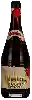
Winery Cantine F.lli FrancoliBarbera d'Asti Superiore
 wine
wine
This wine generally goes well with
The Barbera d'Asti Superiore of the Winery Cantine F.lli Francoli is in the top 0 of wines of Barbera d'Asti.

Details and technical informations about Winery Cantine F.lli Francoli's Barbera d'Asti Superiore.
Discover the grape variety: Optima
Aromatic, full-bodied whites with a pale golden robe, a supple palate and moderate acidity, showing signature muscat aromas, white flowers (elderflower, acacia), yellow fruits (pear, peach, apricot) and honeyed notes. An early-ripening profile, vinified dry, sweet and botrytised. Grown in Germany (Mosel, Rheinhessen) and England for aromatic white wines. A German variety created in 1929 at Geilweilerhof ((Silvaner × Riesling) × Müller-Thurgau).
Informations about the Winery Cantine F.lli Francoli
The Winery Cantine F.lli Francoli is one of of the world's greatest estates. It offers 11 wines for sale in the of Barbera d'Asti to come and discover on site or to buy online.

The wine region of Barbera d'Asti
Apogee of Piedmont Barbera: a gourmet, vibrant red with signature notes of ripe cherry, raspberry, plum and violet, characteristic fresh acidity and supple tannins that make it immediately drinkable. A direct, everyday Italian style, perfect with charcuterie and pasta. Fleshier Superiore versions (14 months ageing) with liquorice and dark chocolate notes, and Nizza DOCG at the summit. 6,000 ha of clay-limestone hills between Asti and Alessandria.
The wine region of Piedmont
Kingdom of Nebbiolo: Barolo and Barbaresco DOCG, long-ageing reds with firm tannins and lively acidity, complex aromas of withered rose, sour cherry, tar, truffle and undergrowth. More accessible, tangy Barbera on red fruit, supple, crisp Dolcetto. Sweet, floral sparkling Moscato d'Asti, mineral, lemony Gavi (Cortese) white, round, almondy Arneis from Roero. 50,000 ha across the Langhe, Roero and Monferrato, UNESCO.
The word of the wine: Rootstock
American vine on which a French vine is grafted. This is the consequence of the phylloxera that destroyed the vineyard at the end of the 19th century: after much trial and error, it was discovered that the "pest" spared the roots of the American vines, and the technique became widespread.