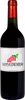
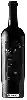
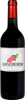
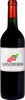
Winery Francois ConstantinFendant Molignon
 White wine
In the mouth this white wine is a with a nice freshness.
This wine generally goes well with poultry, lean fish or mild and soft cheese.

Taste structure of the Fendant Molignon from the Winery Francois Constantin
Light | Bold | |
Dry | Sweet | |
Soft | Acidic |
In the mouth the Fendant Molignon of Winery Francois Constantin in the region of Valais is a with a nice freshness.
Food and wine pairings with Fendant Molignon
Pairings that work perfectly with Fendant Molignon



Original food and wine pairings with Fendant Molignon

The Fendant Molignon of Winery Francois Constantin matches generally quite well with dishes of poultry, lean fish or mild and soft cheese such as recipes of chicken in sauce, fish soup from marseille by lucette or tagliatelle san daniele.
Details and technical informations about Winery Francois Constantin's Fendant Molignon.
Discover the grape variety: Amigne
Aromatic, structured whites with a golden robe, ample palate and preserved acidity, showing refined aromas of yellow fruits (pear, apricot), candied citrus, mandarin, linden, honey and white flower notes. Vinified dry, off-dry or sweet (a scale of 1 to 3 bees indicates residual sugar). Almost exclusive star of Vétroz AOC in the central Valais. Very old autochthonous Valais variety, probably of Roman origin, one of Switzerland's discreet treasures.
Informations about the Winery Francois Constantin
The Winery Francois Constantin is one of of the world's greatest estates. It offers 21 wines for sale in the of Valais to come and discover on site or to buy online.

The wine region of Valais
Switzerland's largest vineyard, capital of native grapes. Straight, precise alpine whites: light, floral Chasselas (Fendant), signature Petite Arvine with saline, grapefruit and rhubarb notes, rich, apricoty Amigne, mineral Humagne Blanche. Altitude reds: fine Pinot Noir, crisp Gamay, native Cornalin and Humagne Rouge, spicy and deep. Highly precise alpine age-worthy wines.
The word of the wine: Courgée
Name of the fruiting branch left after pruning and which is then arched along the trellis in the Jura (in the Mâconnais, it is called the tail).