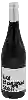
Winery Paul LaurentRouge
 Red wine



This wine generally goes well with beef, mature and hard cheese or spicy food.

Food and wine pairings with Rouge
Pairings that work perfectly with Rouge



Original food and wine pairings with Rouge
The Rouge of Winery Paul Laurent matches generally quite well with dishes of beef, spicy food or mature and hard cheese such as recipes of beef with balsamic sauce, tripe in the style of caen or papillotes of herring with comté cheese.
Details and technical informations about Winery Paul Laurent's Rouge.
Discover the grape variety: Pavana
Light and fruity reds with a clear ruby colour, soft tannins and supple palate, with simple aromas of red fruit (cherry, raspberry), spices and floral notes. An airy and confidential profile. Grown in small quantities in the province of Vicenza, preserved for its heritage value among rare Venetian autochthonous varieties. An indigenous Italian black variety from Veneto, studied for its genetic interest among ancient north-eastern Italian grape varieties.
Last vintages of this wine
The best vintages of Rouge from Winery Paul Laurent are 2018, 2008
Informations about the Winery Paul Laurent
The Winery Paul Laurent is one of of the world's great estates. It offers 17 wines for sale in the of Vin de France to come and discover on site or to buy online.

The wine region of Vin de France
The freest category of French wine, the playground of winemakers working outside the AOC. All styles combined: fruity reds, lively or ambitious whites, everyday rosés, unusual blends, natural wines, atypical grapes (Petit Manseng in Languedoc, Riesling in Provence), experimental winemaking (skin-contact whites, no sulphur). Grape and vintage labelling allowed, no geographic constraint. From the pop, convivial cuvée to the artisan gem: freedom in a bottle.
The word of the wine: Muscat blanc à petits grains
A white grape variety cultivated since antiquity on the shores of the Mediterranean, it is considered the noblest of the muscats. It is mainly used to make sweet wines, often from mutage. In France, it is the sole variety used in many natural sweet wines: muscat-de-frontignan, muscat-de-mireval, muscat-de-lunel, muscat-de-saint-jean-de-minervois, muscat-de-beaumes-de-venise, muscat-du-cap-corse. Combined with Muscat d'Alexandrie, it gives Muscat-de-Rivesaltes. It is also used to make sparkling white wines (clairette-de-die; moscato d'asti and asti spumante in Italy) and dry wines (alsace-muscat). Powerfully aromatic and complex, its wines evoke fresh grapes, roses, exotic fruits, citrus fruits and spices.