The Winery Leonard of Languedoc of Languedoc-Roussillon
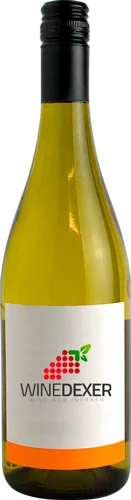
The Winery Leonard is one of the best wineries to follow in Languedoc.. It offers 2 wines for sale in of Languedoc to come and discover on site or to buy online.
Looking for the best Winery Leonard wines in Languedoc among all the wines in the region? Check out our tops of the best red, white or effervescent Winery Leonard wines. Also find some food and wine pairings that may be suitable with the wines from this area. Learn more about the region and the Winery Leonard wines with technical and enological descriptions.
How Winery Leonard wines pair with each other generally quite well with dishes of pork, rich fish (salmon, tuna etc) or spicy food such as recipes of caramelized pork ribs, pasta gratin or korma chicken (india).
Sunny, generous southern reds: spicy, peppery Syrah, round, candied Grenache (ripe fruit, garrigue), deep Mourvèdre, structured Carignan, supple Cinsault. From robust Corbières and Minervois to fresher Terrasses du Larzac, via Faugères on schist or taut Pic Saint-Loup. Lively, iodised Picpoul de Pinet whites (oysters), ample Roussanne and Marsanne. 14 sub-appellations, ~10,000 ha in regional AOC.
Fleshy, convivial wines.
How Winery Leonard wines pair with each other generally quite well with dishes such as recipes .
Opulent, heady whites, rich and silky, with intense aromas of apricot, yellow peach, mango, violet, honeysuckle and musky, honeyed notes. Discreet acidity, creamy finish. Star of Condrieu AOC and Château-Grillet AOC, co-vinified in Côte-Rôtie with Syrah (up to 20%). Widely exported to California (Central Coast), Australia (Eden Valley) and Languedoc. A Rhône variety.
Planning a wine route in the of Languedoc? Here are the wineries to visit and the winemakers to meet during your trip in search of wines similar to Winery Leonard.
A table grape with long bunches and spherical blue-black berries with thick skin and juicy flesh, delivering a pleasant sweet flavour. Late-ripening. Very rarely vinified. Cultivated for fresh consumption in Germany, Austria and Switzerland, prized for its sweetness, attractive table appearance and good keeping. A witness to Germanic ampelographic heritage, grown since the Middle Ages in Central Europe.