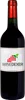
Domaine GouillonMicou No 3
 Red wine



In the mouth this red wine is a with a nice freshness.
This wine generally goes well with pork, poultry or veal.
Taste structure of the Micou No 3 from the Domaine Gouillon
Light | Bold | |
Smooth | Tannic | |
Dry | Sweet | |
Soft | Acidic |
In the mouth the Micou No 3 of Domaine Gouillon in the region of Burgundy is a with a nice freshness.
Food and wine pairings with Micou No 3
Pairings that work perfectly with Micou No 3



Original food and wine pairings with Micou No 3

The Micou No 3 of Domaine Gouillon matches generally quite well with dishes of pasta, veal or pork such as recipes of pasta with shrimp, veal breast with new vegetables or ollada (catalonia).
Details and technical informations about Domaine Gouillon's Micou No 3.
Discover the grape variety: Gros Verdot
Girondine most certainly like the Petit Verdot. It is almost no longer present in the vineyard, no longer multiplied and therefore very clearly on the way to extinction.
Last vintages of this wine
The best vintages of Micou No 3 from Domaine Gouillon are 0
Informations about the Domaine Gouillon
The Domaine Gouillon is one of of the world's greatest estates. It offers 10 wines for sale in the of Burgundy to come and discover on site or to buy online.

The wine region of Burgundy
Bourgogne is the catch-all regional appellation title of the Burgundy wine region in eastern France ("Bourgogne" is the French name for Burgundy). Burgundy has a Complex and comprehensive appellation system; counting Premier Cru and Grand Cru titles, the region has over 700 appellation titles for its wines. Thus, Burgundy wines often come from one Vineyard (or several separate vineyards) without an appellation title specific to the region, Village or even vineyard. A standard Burgundy wine may be made from grapes grown in one or more of Burgundy's 300 communes.
The word of the wine: Lies
A deposit formed by dead yeast after fermentation. Some white wines are aged on their lees, which makes their aromas and structure more complex and richer.