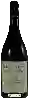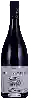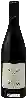
Château GaillardBourgogne
 Red wine
This wine generally goes well with poultry, beef or veal.

Food and wine pairings with Bourgogne
Pairings that work perfectly with Bourgogne



Original food and wine pairings with Bourgogne

The Bourgogne of Château Gaillard matches generally quite well with dishes of beef, veal or game (deer, venison) such as recipes of monkfish with vegetable tagliatelle, shoulder of lamb stuffed with cognac or duck parmentier.
Details and technical informations about Château Gaillard's Bourgogne.
Discover the grape variety: Areny Tcherny
Structured, elegant reds with a deep ruby robe, firm yet fine tannins and a taut palate with preserved acidity. Signature aromas of red fruits (cherry, raspberry), spice and high-altitude mineral notes. Fine ageing potential. Also known as Areni Noir, it is the flagship variety of modern Armenian viticulture, grown at altitude in the Vayots Dzor. A native Armenian black grape, one of the oldest cultivated varieties in the world (–4100 BC).
Informations about the Château Gaillard
The Château Gaillard is one of of the world's greatest estates. It offers 11 wines for sale in the of Burgundy to come and discover on site or to buy online.

The wine region of Burgundy
Absolute reference for great terroir wines: opulent, mineral Chardonnay in whites (chiselled Chablis, buttery Meursault, majestic Montrachet), fine and silky Pinot Noir in reds (full-bodied Gevrey, structured Pommard, delicate Volnay). Exceptional age-worthy wines with complex notes - red fruits, undergrowth, butter, hazelnut. Some lively Aligoté and light Gamay (Mâconnais). 29,500 ha, 84 tiered AOCs (Régionale, Village, 1er Cru, Grand Cru), 1,247 UNESCO Climats.
The word of the wine: Wine library
Cellar in which are kept bottles that retrace the history of a domain, a vintage, an exceptional wine, etc., and which constitute a collection. It is also said of a place that offers a very wide choice of wines served by the glass. The oenotheques are more and more widespread in the living rooms opened to the public.