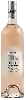
Cave de PazacMedenas Rosé
 Pink wine
This wine generally goes well with beef, lamb or mature and hard cheese.

Food and wine pairings with Medenas Rosé
Pairings that work perfectly with Medenas Rosé



Original food and wine pairings with Medenas Rosé

The Medenas Rosé of Cave de Pazac matches generally quite well with dishes of pasta, vegetarian or appetizers and snacks such as recipes of tagliatelle with mushrooms, quiche without eggs or tempura of vegetables and quick.
Details and technical informations about Cave de Pazac's Medenas Rosé.
Discover the grape variety: Cinsault
Light, fresh reds with a clear robe, supple tannins and a tender mouth, featuring aromas of wild strawberry, raspberry, rose, peony and soft spices. The absolute pillar of Provençal rosés (Côtes de Provence AOC, Bandol rosé) to which it brings finesse and freshness, also a component of GSM blends in Côtes-du-Rhône and Languedoc. Also a single variety in South Africa where it is a parent of Pinotage. Historic southern French grape.
Informations about the Cave de Pazac
The Cave de Pazac is one of of the world's great estates. It offers 16 wines for sale in the of Coteaux du Pont du Gard to come and discover on site or to buy online.

The wine region of Coteaux du Pont du Gard
Mediterranean Gard IGP (yellow limestone Pont du Gard, white garrigue soils, sunny and dry): Syrah, Grenache, Mourvèdre and Carignan signatures as red kings — dark robes, powerful and warming with red fruits and present tannins. Roussanne and Viognier in floral and fruity whites, elegant and ample to drink young. Cabernet Sauvignon and Chardonnay on deep soils, fresh rosés.
The wine region of Pays d'Oc
The single-grape IGP par excellence: modern, accessible, frank and fruity wines, the popular signature of the Midi. Spicy Syrah reds (pepper, blackberry), round Merlot, structured Cabernet, generous Grenache, supple Cinsault. Crisp, tangy rosés. Opulent Chardonnay whites, lively Sauvignon, floral, apricoty Viognier.
The word of the wine: Acidic (flavor)
Acidity is present in all wines, and is essential in white wines. It is due to the presence of different organic acids in the wine, and is expressed in the mouth by a sensation of freshness combined with other elements, such as minerality or a note of bitterness. Moderately present, it brings relief and vivacity to the wine.