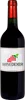
Château le Bouchat AlauxFondation Clos Romane Fontis Eleve En Fut De Chene Cabardes
 Red wine


In the mouth this red wine is a powerful with a nice balance between acidity and tannins.
This wine generally goes well with beef, veal or pasta.

Taste structure of the Fondation Clos Romane Fontis Eleve En Fut De Chene Cabardes from the Château le Bouchat Alaux
Light | Bold | |
Smooth | Tannic | |
Dry | Sweet | |
Soft | Acidic |
In the mouth the Fondation Clos Romane Fontis Eleve En Fut De Chene Cabardes of Château le Bouchat Alaux in the region of Languedoc-Roussillon is a powerful with a nice balance between acidity and tannins.
Food and wine pairings with Fondation Clos Romane Fontis Eleve En Fut De Chene Cabardes
Pairings that work perfectly with Fondation Clos Romane Fontis Eleve En Fut De Chene Cabardes



Original food and wine pairings with Fondation Clos Romane Fontis Eleve En Fut De Chene Cabardes
The Fondation Clos Romane Fontis Eleve En Fut De Chene Cabardes of Château le Bouchat Alaux matches generally quite well with dishes of beef, pasta or veal such as recipes of sloth pork loin, meat and cheese pie or lamb confit with new potatoes.
Details and technical informations about Château le Bouchat Alaux's Fondation Clos Romane Fontis Eleve En Fut De Chene Cabardes.
Discover the grape variety: Elbling
Crisp, light dry whites with a pale robe, slender palate and cutting acidity, showing delicate aromas of lemon, green apple, white flowers, fresh-cut grass and mineral, slaty notes. Often vinified as sparkling (Sekt, Crémant) where its nerviness shines. Star of the Luxembourg Upper Moselle schist slopes (Elbling AOP) and the upper German Mosel. Very old Germanic variety, probably introduced by the Romans.
Last vintages of this wine
The best vintages of Fondation Clos Romane Fontis Eleve En Fut De Chene Cabardes from Château le Bouchat Alaux are 0
Informations about the Château le Bouchat Alaux
The Château le Bouchat Alaux is one of of the world's greatest estates. It offers 4 wines for sale in the of Languedoc to come and discover on site or to buy online.

The wine region of Languedoc
Sunny, generous southern reds: spicy, peppery Syrah, round, candied Grenache (ripe fruit, garrigue), deep Mourvèdre, structured Carignan, supple Cinsault. From robust Corbières and Minervois to fresher Terrasses du Larzac, via Faugères on schist or taut Pic Saint-Loup. Lively, iodised Picpoul de Pinet whites (oysters), ample Roussanne and Marsanne. 14 sub-appellations, ~10,000 ha in regional AOC.
The wine region of Languedoc-Roussillon
Largest single French vineyard, dominated by sunny, generous reds. Spicy Syrah, candied Grenache (ripe fruit, garrigue), structured Carignan, deep Mourvèdre, supple Cinsault. Stars: structured Corbières, Minervois, Faugères, Saint-Chinian; round Côtes-du-Roussillon. Legendary vins doux naturels: Banyuls and Maury (fortified Grenache) with notes of cocoa, fig, prune.
The word of the wine: Servadou iron
A black grape variety from the southwest that produces a wine with spicy tannins and black currant and raspberry aromas. Under the name of Mansois, it is the main grape variety of Marcillac; it is also one of the important varieties of Gaillacois, where it is called Braucol. It is also used in the blends of other South-Western appellations (Fronton, Lavilledieu, Estaing, Madiran). Syn.: braucol, pinenc, mansois.