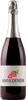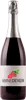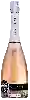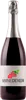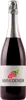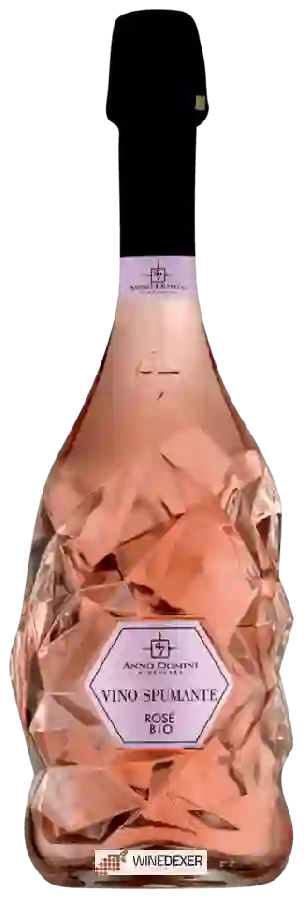
Winery 47 Anno DominiDiamante Spumante Rosé
 Sparkling wine


This wine is a blend of 2 varietals which are the Pinot Nero and the Raboso Veronese.
In the mouth this sparkling wine is a with fine and regular bubbles.
This wine generally goes well with appetizers and snacks and aperitif.
Taste structure of the Diamante Spumante Rosé from the Winery 47 Anno Domini
Light | Bold | |
Soft | Acidic | |
Gentle | Fizzy |
In the mouth the Diamante Spumante Rosé of Winery 47 Anno Domini in the region of Vino da Tavola is a with fine and regular bubbles.
Food and wine pairings with Diamante Spumante Rosé
Pairings that work perfectly with Diamante Spumante Rosé


Original food and wine pairings with Diamante Spumante Rosé
The Diamante Spumante Rosé of Winery 47 Anno Domini matches generally quite well with dishes of appetizers and snacks or aperitif such as recipes of shrimp acras or goat's cheese sandwich with honey.
Details and technical informations about Winery 47 Anno Domini's Diamante Spumante Rosé.
Discover the grape variety: Pinot Nero
Last vintages of this wine
The best vintages of Diamante Spumante Rosé from Winery 47 Anno Domini are 0
Informations about the Winery 47 Anno Domini
The Winery 47 Anno Domini is one of of the world's great estates. It offers 53 wines for sale in the of Vino da Tavola to come and discover on site or to buy online.

The wine region of Vino da Tavola
Vino da Tavola was the most basic classification of Italian wines. It is now renamed simply "Vino" and appears on labels as Vino d'Italia. The original name literally means "table wine" as opposed to premium wines from specific geographical locations (see EU wine label). In May 2011, the first legal steps were taken to abolish the Vino da Tavola category, in favor of a New classification of wines called simply Vino.
The word of the wine: Sulphur
An antiseptic and antioxidant substance known since antiquity, probably already used by the Romans. But it was only in modern times that its use was rediscovered. It will allow a better conservation of the wine and thus favour its export. Sulphur also gave the 18th century winegrower the possibility of extending the maceration period without fearing that the wine would turn sour and thus go from dark rosé wines to the red wines of today. Excessive sulphur, on the other hand, kills happiness, paralysing the aromas and causing headaches.