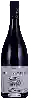
Winery Forges & AssociésBourgogne Pinot Beurot
 Red wine
This wine generally goes well with poultry, beef or veal.
Food and wine pairings with Bourgogne Pinot Beurot
Pairings that work perfectly with Bourgogne Pinot Beurot



Original food and wine pairings with Bourgogne Pinot Beurot

The Bourgogne Pinot Beurot of Winery Forges & Associés matches generally quite well with dishes of pasta, rich fish (salmon, tuna etc) or shellfish such as recipes of capellini with prosciutto, pasta salad with surimi or shrimp and chorizo risotto.
Details and technical informations about Winery Forges & Associés's Bourgogne Pinot Beurot.
Discover the grape variety: Malbec
Malbec, a high-yielding red grape variety, produces tannic and colourful wines. It is produced in different wine-growing regions and changes its name according to the grape variety. Called Auxerrois in Cahors, Malbec in Bordeaux, it is also known as Côt. 6,000 hectares of the Malbec grape are grown in France (in decline since the 1950s). Malbec is also very successful in Argentina. The country has become the world's leading producer of Malbec and offers wines with great potential.
Informations about the Winery Forges & Associés
The Winery Forges & Associés is one of of the world's greatest estates. It offers 6 wines for sale in the of Burgundy to come and discover on site or to buy online.

The wine region of Burgundy
Bourgogne is the catch-all regional appellation title of the Burgundy wine region in eastern France ("Bourgogne" is the French name for Burgundy). Burgundy has a Complex and comprehensive appellation system; counting Premier Cru and Grand Cru titles, the region has over 700 appellation titles for its wines. Thus, Burgundy wines often come from one Vineyard (or several separate vineyards) without an appellation title specific to the region, Village or even vineyard. A standard Burgundy wine may be made from grapes grown in one or more of Burgundy's 300 communes.
The word of the wine: Burned
Qualifier, sometimes equivocal, of various odors, ranging from caramel to burnt wood.