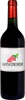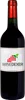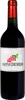
Bodega Niño de la SalinaAndresito Roble
 Red wine


This wine is a blend of 2 varietals which are the Cabernet-Sauvignon and the Merlot.
In the mouth this red wine is a powerful with a nice balance between acidity and tannins.
This wine generally goes well with poultry, beef or veal.

Taste structure of the Andresito Roble from the Bodega Niño de la Salina
Light | Bold | |
Smooth | Tannic | |
Dry | Sweet | |
Soft | Acidic |
In the mouth the Andresito Roble of Bodega Niño de la Salina in the region of Andalousie is a powerful with a nice balance between acidity and tannins.
Wine flavors and olphactive analysis

Food and wine pairings with Andresito Roble
Pairings that work perfectly with Andresito Roble



Original food and wine pairings with Andresito Roble

The Andresito Roble of Bodega Niño de la Salina matches generally quite well with dishes of beef, pasta or veal such as recipes of boeuf lôc lac (cambodia), pasta with chicken and curry or sauté of veal with olives (corsica).
Details and technical informations about Bodega Niño de la Salina's Andresito Roble.
Discover the grape variety: Cabernet-Sauvignon
Structured, tannic reds, deeply coloured, with aromas of blackcurrant, blackberry, cedar, tobacco and graphite, underpinned by firm acidity and fine ageing potential. Cornerstone of the great Médoc estates (Pauillac, Saint-Estèphe, Saint-Julien) and signature of Napa Valley, Coonawarra and Maipo. The world's most planted red variety, a natural cross of Cabernet Franc x Sauvignon Blanc born in Bordeaux.
Last vintages of this wine
The best vintages of Andresito Roble from Bodega Niño de la Salina are 0
Informations about the Bodega Niño de la Salina
The Bodega Niño de la Salina is one of of the world's great estates. It offers 14 wines for sale in the of Málaga to come and discover on site or to buy online.

The wine region of Málaga
Mediterranean Andalusian DO, one of Spain's oldest. Signature sweet wines: Pedro Ximénez and Moscatel sun-dried on paseras: dark, opulent nectars with notes of raisin, fig, date, honey, coffee, cocoa, caramel and an oxidative touch — from dry "Pajarete" to sweet Dulce. DO Sierras de Málaga since 2001 for dry stills (floral Moscatel, fruity Romé, supple Tempranillo, peppery Syrah). Schist and limestone soils.
The wine region of Andalousie
Dry, sun-baked southern Spain, world cradle of fortified and oxidative wines. Sherry from Jerez is the signature: Palomino Fino under a veil of flor yields lively, saline Fino with signature notes of almond, yeast, green apple and a sharp iodine edge; more maritime Manzanilla (Sanlúcar); unveiled Oloroso in grand oxidation (walnut, caramel, tobacco). Pedro Ximénez from Montilla-Moriles: intense dark sweet (fig, raisin, coffee, molasses). Also muscat Málaga.
The word of the wine: Viscosity
Consistency of wine reminiscent of the tactile sensation of sugar syrup with varying degrees of fluidity, due to the alcohol and natural sugar in the grapes present in sweet wines. In excess, this sensation can make the wine pasty and heavy. To the eye, viscosity is referred to as tears.