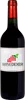
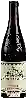
Winery Font SanteGigondas
 Red wine


In the mouth this red wine is a powerful with a nice balance between acidity and tannins.
This wine generally goes well with beef, game (deer, venison) or lamb.

Taste structure of the Gigondas from the Winery Font Sante
Light | Bold | |
Smooth | Tannic | |
Dry | Sweet | |
Soft | Acidic |
In the mouth the Gigondas of Winery Font Sante in the region of Rhone Valley is a powerful with a nice balance between acidity and tannins.
Wine flavors and olphactive analysis

Food and wine pairings with Gigondas
Pairings that work perfectly with Gigondas



Original food and wine pairings with Gigondas
The Gigondas of Winery Font Sante matches generally quite well with dishes of beef, lamb or game (deer, venison) such as recipes of hungarian goulash, quick couscous or duck breast in the oven.
Details and technical informations about Winery Font Sante's Gigondas.
Discover the grape variety: Mourvèdre
Powerful, deep reds with firm tannins and dense texture, showing aromas of blackberry, leather, garrigue, black pepper, liquorice and animal notes (game, forest floor) with age. Star of Bandol AOC as a single variety and pillar of Châteauneuf-du-Pape, Gigondas and Costières blends. Also in GSM in Languedoc and Australia. A late-ripening variety of Spanish origin (Mataró/Monastrell).
Last vintages of this wine

The best vintages of Gigondas from Winery Font Sante are 2011, 2012, 2013, 2015 and 2014.
Informations about the Winery Font Sante
The Winery Font Sante is one of of the world's greatest estates. It offers 27 wines for sale in the of Gigondas to come and discover on site or to buy online.

The wine region of Gigondas
Full-bodied cru of the southern Rhone at the foot of the Dentelles de Montmirail: signature Grenache as king red (>=50%) with Syrah and Mourvedre — powerful and sun-soaked with notes of candied black fruits (blackberry, blackcurrant, plum), garrigue, kirsch, spices, licorice and pepper, dense tannins and a long finish (14-15% alcohol), more structured than Chateauneuf. Lively roses. AOC (1971), ~1,200 ha on the eponymous village (Vaucluse), limestone and clay-sandy soils, ages 5-15 years.
The wine region of Rhone Valley
France's 2nd-largest AOC vineyard, two complementary worlds. Northern: pure Syrah in signature reds (Côte-Rôtie, Hermitage, Cornas), deep and peppery with blackberry, violet, black olive and smoked bacon notes, exceptional ageing. Opulent Viognier whites (Condrieu, apricot, flowers) and ample Marsanne-Roussanne. Southern: sun-soaked Grenache blends at Châteauneuf, Gigondas, Vacqueyras (candied fruit, garrigue).
The word of the wine: Chaptalization
The addition of sugar at the time of fermentation of the must, an ancient practice, but theorized by Jean-Antoine Chaptal at the dawn of the 19th century. The sugar is transformed into alcohol and allows the natural degree of the wine to be raised in a weak or cold year, or - more questionably - when the winegrower has a harvest that is too large to obtain good maturity.