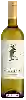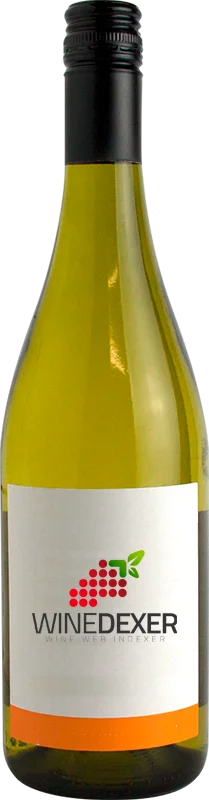
Winery Folle AvoineFarandole Blanc
 White wine



This wine is a blend of 2 varietals which are the Vermentino and the Viognier.
In the mouth this white wine is a .
This wine generally goes well with vegetarian, poultry or lean fish.

Taste structure of the Farandole Blanc from the Winery Folle Avoine
Light | Bold | |
Dry | Sweet | |
Soft | Acidic |
In the mouth the Farandole Blanc of Winery Folle Avoine in the region of Pays d'Oc is a .
Food and wine pairings with Farandole Blanc
Pairings that work perfectly with Farandole Blanc



Original food and wine pairings with Farandole Blanc


The Farandole Blanc of Winery Folle Avoine matches generally quite well with dishes of pasta, vegetarian or poultry such as recipes of pasta with porcini mushrooms, tuna, pepper and tomato quiche or chicken with rice for cookeo robot.
Details and technical informations about Winery Folle Avoine's Farandole Blanc.
Discover the grape variety: Vermentino
Nervy, saline whites with cutting acidity and enveloping richness, showing aromas of grapefruit, lime, pear, white flowers, fresh almond, fennel and marine iodine notes. Slightly bitter finish. Star of Sardinia (Vermentino di Gallura DOCG), Liguria, coastal Tuscany (Bolgheri) and Corsica. Also in Provence and Languedoc-Roussillon as Rolle. An autochthonous Mediterranean variety.
Last vintages of this wine
The best vintages of Farandole Blanc from Winery Folle Avoine are 0
Informations about the Winery Folle Avoine
The Winery Folle Avoine is one of of the world's greatest estates. It offers 9 wines for sale in the of Pays d'Oc to come and discover on site or to buy online.

The wine region of Pays d'Oc
The single-grape IGP par excellence: modern, accessible, frank and fruity wines, the popular signature of the Midi. Spicy Syrah reds (pepper, blackberry), round Merlot, structured Cabernet, generous Grenache, supple Cinsault. Crisp, tangy rosés. Opulent Chardonnay whites, lively Sauvignon, floral, apricoty Viognier.
The word of the wine: Clone
A vine propagated from a single specimen (by cuttings or grafting), as opposed to mass selection, which starts from a family of vines.