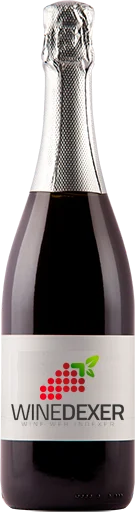
Winery FerraciniRafaelle Moscato
 Sparkling wine



In the mouth this sparkling wine is a with a nice freshness.
This wine generally goes well with pork, rich fish (salmon, tuna etc) or shellfish.

Taste structure of the Rafaelle Moscato from the Winery Ferracini
Light | Bold | |
Soft | Acidic | |
Gentle | Fizzy |
In the mouth the Rafaelle Moscato of Winery Ferracini in the region of Sao Paulo is a with a nice freshness.
Food and wine pairings with Rafaelle Moscato
Pairings that work perfectly with Rafaelle Moscato



Original food and wine pairings with Rafaelle Moscato
The Rafaelle Moscato of Winery Ferracini matches generally quite well with dishes of pork, rich fish (salmon, tuna etc) or shellfish such as recipes of andouillette with mustard sauce, coulibiac of salmon or mie goreng.
Details and technical informations about Winery Ferracini's Rafaelle Moscato.
Discover the grape variety: Pelaverga
Light, elegant reds with a clear ruby colour, silky tannins and a silky palate, showing intense signature aromas of white pepper (hallmark), spices, red fruits (strawberry, raspberry) and floral notes. Distinctly airy and spiced profile. Absolute star of the Verduno Pelaverga DOC, signature of a confidential Langhe terroir and one of the most distinctive Piedmontese reds. Native Piedmontese black variety grown almost exclusively around Verduno.
Last vintages of this wine
The best vintages of Rafaelle Moscato from Winery Ferracini are 0
Informations about the Winery Ferracini
The Winery Ferracini is one of of the world's greatest estates. It offers 7 wines for sale in the of Sao Paulo to come and discover on site or to buy online.

The wine region of Sao Paulo
Wine state of south-east Brazil, with its heart at São Roque ("Terra do Vinho") founded by Italian and Portuguese immigrants in the 18th c. Traditional-method sparkling as stars: fresh, lively bubblies with notes of green apple, citrus, white flowers and brioche, a fine bubble. Supple reds blending Bonarda, Barbera and fleshy Tannat, round tannins. Perfumed Muscat sweet wines (orange blossom, honey).
The word of the wine: Mercaptan
Organic compound resulting from the combination of alcohol and sulphide (H2S) producing an unpleasant odour reminiscent of town gas and rotten eggs.