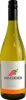
Winery Félix & LucieSauvignon Blanc - Muscat
 White wine



This wine generally goes well with vegetarian, rich fish (salmon, tuna etc) or shellfish.
Wine flavors and olphactive analysis


On the nose the Sauvignon Blanc - Muscat of Winery Félix & Lucie in the region of Vin de France often reveals types of flavors of citrus, green apple or pear and sometimes also flavors of earth, tree fruit or citrus fruit.
Food and wine pairings with Sauvignon Blanc - Muscat
Pairings that work perfectly with Sauvignon Blanc - Muscat



Original food and wine pairings with Sauvignon Blanc - Muscat


The Sauvignon Blanc - Muscat of Winery Félix & Lucie matches generally quite well with dishes of rich fish (salmon, tuna etc), shellfish or spicy food such as recipes of sardines with escabeche, scallops or scallops express with cognac or chicken curry with coconut milk and cashew nuts.
Details and technical informations about Winery Félix & Lucie's Sauvignon Blanc - Muscat.
Discover the grape variety: Bourrisquou
A very old grape variety cultivated in the Ardèche, almost unknown in other French wine regions and even less so in other countries. Its origin seems to be Spanish, as are its presumed parents. It is said to be the result of a natural intra-specific crossing between the heben or white gibi and the mourvèdre. Today, it is practically no longer multiplied and is therefore in danger of extinction.
Last vintages of this wine
The best vintages of Sauvignon Blanc - Muscat from Winery Félix & Lucie are 2018, 2017
Informations about the Winery Félix & Lucie
The Winery Félix & Lucie is one of of the world's greatest estates. It offers 4 wines for sale in the of Vin de France to come and discover on site or to buy online.

The wine region of Vin de France
Vin de France is the most basic level of quality for wines from France. These are generally uncomplicated everyday drinks - most often blends, but perhaps also Varietal wines based on a well-known Grape variety such as Cabernet Sauvignon, Merlot, Chardonnay or Sauvignon Blanc. Wines from France are those that do not meet the criteria stipulated by the Protected Designation of Origin (PDO) or Protected Geographical Indication (PGI) laws (see information on French wine labels). This may be because the vineyards are outside the delimited production areas or because the grape varieties or winemaking techniques used do not conform to the rules of the local appellations.
The word of the wine: Champagne rosé
Often obtained by adding red wines (from Champagne), it is even the only vineyard where this practice is allowed. Some producers prefer the practice used in other regions, i.e. a short maceration to extract sufficient colouring matter. This results in winey rosés for meals. Elegant aperitif rosé is more often made from red wine coloured Chardonnay. Rosés can be vintage or non vintage.