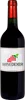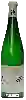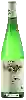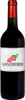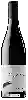
Winery KäferMontepulciano d'Abruzzo
 Red wine



In the mouth this red wine is a with a nice freshness.
This wine generally goes well with pork, beef or veal.

Taste structure of the Montepulciano d'Abruzzo from the Winery Käfer
Light | Bold | |
Smooth | Tannic | |
Dry | Sweet | |
Soft | Acidic |
In the mouth the Montepulciano d'Abruzzo of Winery Käfer in the region of Mosel is a with a nice freshness.
Food and wine pairings with Montepulciano d'Abruzzo
Pairings that work perfectly with Montepulciano d'Abruzzo



Original food and wine pairings with Montepulciano d'Abruzzo

The Montepulciano d'Abruzzo of Winery Käfer matches generally quite well with dishes of beef, pasta or veal such as recipes of venison stew to be prepared the day before, leek pie or axoa from espelette ( 22nd meeting ).
Details and technical informations about Winery Käfer's Montepulciano d'Abruzzo.
Discover the grape variety: Torrontés riojano
Very aromatic, perfumed dry whites with a pale golden robe, a supple palate and preserved acidity of explosive signature aromas of rose, jasmine, orange blossom, geranium, white peach, apricot, citrus and muscat notes. An exuberant floral profile. Absolute star of Argentine whites, grown on the high plateaus of Cafayate (Salta), La Rioja and Catamarca at Andean altitude. Natural Argentine cross (muscat of Alexandria × criolla chica), Andean identity signature.
Last vintages of this wine
The best vintages of Montepulciano d'Abruzzo from Winery Käfer are 2012, 0, 2013
Informations about the Winery Käfer
The Winery Käfer is one of of the world's great estates. It offers 65 wines for sale in the of Mosel to come and discover on site or to buy online.

The wine region of Mosel
Kingdom of lively, crystalline Riesling: citrus, green apple, gunflint, tangy tension and signature slate minerality. From light, fruity Kabinett to off-dry Spätlese, up to sweet Auslese and Trockenbeerenauslese of rare finesse. Some supple Müller-Thurgau and lively Elbling. Steeply sloped vineyards (up to 65% at the Bremmer Calmont) on blue and grey slate, 5,400 ha of Riesling (61.
The word of the wine: Maceration
Prolonged contact and exchange between the juice and the grape solids, especially the skin. Not to be confused with the time of fermentation, which follows maceration. The juice becomes loaded with colouring matter and tannins, and acquires aromas. For a rosé, the maceration is short so that the colour does not "rise" too much. For white wines too, a "pellicular maceration" can be practised, which allows the wine to acquire more fat.