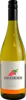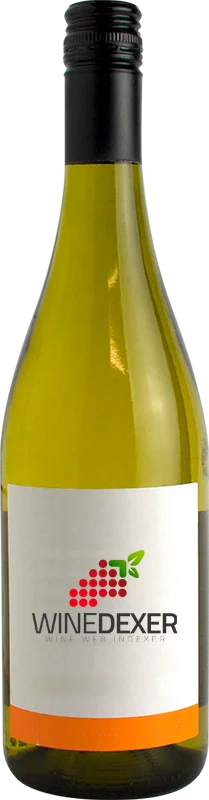
Winery Fazi BattagliaRocca delle Querce
 White wine



In the mouth this white wine is a with a nice freshness.
This wine generally goes well with vegetarian, appetizers and snacks or lean fish.

Taste structure of the Rocca delle Querce from the Winery Fazi Battaglia
Light | Bold | |
Dry | Sweet | |
Soft | Acidic |
In the mouth the Rocca delle Querce of Winery Fazi Battaglia in the region of Vino da Tavola is a with a nice freshness.
Food and wine pairings with Rocca delle Querce
Pairings that work perfectly with Rocca delle Querce



Original food and wine pairings with Rocca delle Querce


The Rocca delle Querce of Winery Fazi Battaglia matches generally quite well with dishes of pasta, vegetarian or appetizers and snacks such as recipes of spaghetti with knackis, tuna, pepper and tomato quiche or roasted bananas with cured ham.
Details and technical informations about Winery Fazi Battaglia's Rocca delle Querce.
Discover the grape variety: Aubin blanc
Simple, fresh, dry whites for early drinking with a pale golden hue, supple palate and moderate acidity, showing discreet aromas of citrus and white flowers typical of Lorraine. Light, thirst-quenching profile. Sensitive to powdery mildew, preserved by growers of the Côtes-de-Toul AOC in Lorraine. Native Lorraine white grape, a cross of Pinot noir × Gouais blanc, thus related to Chardonnay and Aligoté, grown in Rozérieulles, Bruley and Bulligny.
Last vintages of this wine
The best vintages of Rocca delle Querce from Winery Fazi Battaglia are 0
Informations about the Winery Fazi Battaglia
The Winery Fazi Battaglia is one of of the world's great estates. It offers 27 wines for sale in the of Vino da Tavola to come and discover on site or to buy online.

The wine region of Vino da Tavola
The freest category of Italian wine, with no grape or zone constraint. All styles: bold reds based on Bordeaux grapes (Cabernet, Merlot), atypical blends, maker's cuvées outside DOC rules. Historic cradle of the "Super Tuscans" in the 1960s-80s (Sassicaia, Tignanello, Ornellaia) before the creation of IGT in 1992. Today dedicated to everyday wines or winemaker experiments.
The word of the wine: Malolactic fermentation
Called second fermentation or malo for short. It is the degradation (under the effect of bacteria) of the malic acid naturally present in the wine into milder, less aggressive lactic acid. Some producers or wineries refuse this operation by "blocking the malo" (by cold and adding SO2) to keep a maximum of acidity which carries the aromas and accentuates the sensation of freshness.