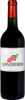
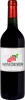
Winery Fat FishCabernet Sauvignon - Shiraz
 wine
wine
This wine generally goes well with
The Cabernet Sauvignon - Shiraz of the Winery Fat Fish is in the top 0 of wines of Barossa Valley.
Details and technical informations about Winery Fat Fish's Cabernet Sauvignon - Shiraz.
Discover the grape variety: Arbanne
A very old grape variety that would have found its first origins in the Gier Valley and brought to the north-east of France in the Aube department, among others. Today it is very little multiplied, but it is registered in the Official Catalogue of wine grape varieties, list A1.
Informations about the Winery Fat Fish
The Winery Fat Fish is one of of the world's greatest estates. It offers 7 wines for sale in the of Barossa Valley to come and discover on site or to buy online.

The wine region of Barossa Valley
The wine region of Barossa Valley is located in the region of Barossa of Australie du Sud of Australia. We currently count 613 estates and châteaux in the of Barossa Valley, producing 2290 different wines in conventional, organic and biodynamic agriculture. The wines of Barossa Valley go well with generally quite well with dishes .
The wine region of Australie du Sud
SouthAustralia is one of Australia's six states, located (as the name suggests) in the south of the vast island continent. It's the engine room of the Australian wine industry, responsible for about half of the country's total production each year. But there's more to the region than quantity - countless high-quality wines are produced here, most from the region's signature Grape, Shiraz. These include such fine, collectible wines as Penfolds Grange, Henschke Hill of Grace, Torbreck The Laird and d'Arenberg The Dead Arm.
The word of the wine: Acidity
When present without excess, acidity contributes to the balance of the wine, giving it freshness and nervousness. But when it is very high, it becomes a defect, giving it a biting and green character. On the other hand, if it is insufficient, the wine is soft.