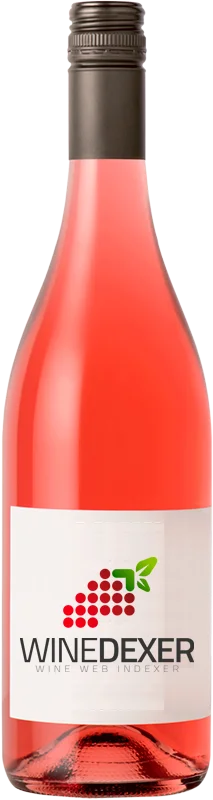
Winery Familia TraversaFaisan Reserva Privada Rosado Varietal
 Pink wine


This wine generally goes well with
Details and technical informations about Winery Familia Traversa's Faisan Reserva Privada Rosado Varietal.
Discover the grape variety: Concord
It is the result of a seedling planted in the United States, around 1840, recovered near the Concord River, a small river located east of Massachusetts. According to genetic analysis, it is an interspecific cross between the catawba and a vitis labrusca. Concord was for a long time the main variety cultivated in North America. It was introduced into Europe at the beginning of the 19th century, in France at the beginning of the phylloxera crisis, but was not widely propagated. It could be found in the Valleraugue region (Gard) at the foot of Mont Aigoual, in the Ardèche (our photos), etc. Today, it exists only as an isolated strain that can sometimes be found on the edge of a slope, which was our case. Through various and numerous crosses, it has been used to obtain some rootstocks and direct producer hybrids, which have now almost all disappeared.
Last vintages of this wine
The best vintages of Faisan Reserva Privada Rosado Varietal from Winery Familia Traversa are 0
Informations about the Winery Familia Traversa
The Winery Familia Traversa is one of of the world's great estates. It offers 70 wines for sale in the of Montevideo to come and discover on site or to buy online.

The wine region of Montevideo
The wine region of Montevideo of Uruguay. Wineries and vineyards like the Domaine Bouza or the Domaine Bouza produce mainly wines red, white and pink. The most planted grape varieties in the region of Montevideo are Tannat, Merlot and Cabernet-Sauvignon, they are then used in wines in blends or as a single variety. On the nose of Montevideo often reveals types of flavors of cherry, lime or black fruit and sometimes also flavors of floral, dried fruit or pineapple.
The word of the wine: Erinosis
Generally benign condition caused by a very small mite. The infested leaves show blisters on the upper surface, sometimes reddish, sometimes green, to which corresponds on the lower surface a dense felting, first pinkish white, then brownish or reddish.