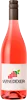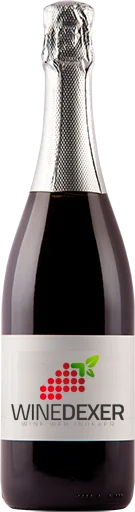
Winery FaenaEspumante Moscatel Rosé
 Sparkling wine


In the mouth this sparkling wine is a with fine and regular bubbles.
This wine generally goes well with appetizers and snacks, lean fish or shellfish.

Taste structure of the Espumante Moscatel Rosé from the Winery Faena
Light | Bold | |
Soft | Acidic | |
Gentle | Fizzy |
In the mouth the Espumante Moscatel Rosé of Winery Faena in the region of Estrémadure is a with fine and regular bubbles.
Food and wine pairings with Espumante Moscatel Rosé
Pairings that work perfectly with Espumante Moscatel Rosé



Original food and wine pairings with Espumante Moscatel Rosé

The Espumante Moscatel Rosé of Winery Faena matches generally quite well with dishes of shellfish, appetizers and snacks or lean fish such as recipes of fish curry à la reunion, small croissants with smoked salmon (toast) or monkfish curry with coconut milk.
Details and technical informations about Winery Faena's Espumante Moscatel Rosé.
Discover the grape variety: VB Cal 6-04
Simple, fresh whites with a pale golden colour, a supple palate with moderate acidity and undemonstrative aromas of citrus and white flowers. Productive and resistant to downy and powdery mildew. Grown in small quantities in Europe for sustainably managed vineyards, it belongs to the new generation of disease-resistant varieties from modern hybridisation programmes. White hybrid variety obtained through complex disease-resistant crossing.
Last vintages of this wine
The best vintages of Espumante Moscatel Rosé from Winery Faena are 0, 2018
Informations about the Winery Faena
The Winery Faena is one of of the world's greatest estates. It offers 3 wines for sale in the of Estrémadure to come and discover on site or to buy online.

The wine region of Estrémadure
Autonomous community of western Spain, the 2nd largest national vineyard (~87,000 ha) with excellent value for money. Tempranillo signature in red: round and accessible with signature notes of ripe cherry, plum, soft vanilla, leather and a spicy touch, supple tannins. Sun-drenched Garnacha, colourful Bobal, firm Cabernet complete the line-up. Vivid Cayetana and Pardina whites (citrus, flowers).
The word of the wine: Monopoly (raw)
Cru exploited exclusively by a domain. The famous Romanée Conti is a monopoly cru.