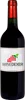
Winery Facci(IT)Bepi Rosso
 wine
wine
This wine generally goes well with
The Bepi Rosso of the Winery Facci(IT) is in the top 0 of wines of Verona.
Details and technical informations about Winery Facci(IT)'s Bepi Rosso.
Discover the grape variety: Primitivo
From Croatia where it is called crljenak kastelanski or pribidrag. According to genetic analyses carried out by Professor Carole Meredith of California University in Davis (United States), it is related to the Croatian plavac mali and Zinfandel. It is also found in South Africa, New Zealand, Chile, Brazil, Germany, Bulgaria, Albania, Italy under the name of Primitivo, Malta, Greece, Portugal and to some extent in Croatia. In the United States (California), it is one of the most widely planted grape varieties, having been introduced in the 1830s well before Primitivo. In France, it is registered in the official catalogue of vine varieties on the A1 list under the name Primitivo.
Informations about the Winery Facci(IT)
The Winery Facci(IT) is one of of the world's greatest estates. It offers 5 wines for sale in the of Verona to come and discover on site or to buy online.

The wine region of Verona
The wine region of Verona is located in the region of Vénétie of Italy. Wineries and vineyards like the Domaine Fasoli Gino or the Domaine Fasoli Gino produce mainly wines red, white and sparkling. The most planted grape varieties in the region of Verona are Corvina, Garganega and Rondinella, they are then used in wines in blends or as a single variety. On the nose of Verona often reveals types of flavors of apples, spices or oil and sometimes also flavors of fennel, non oak or microbio.
The wine region of Veneto
Veneto is an important and growing wine region in northeastern Italy. Veneto is administratively Part of the Triveneto area, aLong with its smaller neighbors, Trentino-Alto Adige and Friuli-Venezia Giulia. In terms of geography, culture and wine styles, it represents a transition from the Alpine and Germanic-Slavic end of Italy to the warmer, drier, more Roman lands to the South. Veneto is slightly smaller than the other major Italian wine regions - Piedmont, Tuscany, Lombardy, Puglia and Sicily - but it produces more wine than any of them.
The word of the wine: Stopper (taste of)
A defect in the wine reminiscent of the smell and taste of mouldy cork.