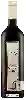
Winery EYSaint Esprit Patrice Ey Muscat de Rivesaltes Doux Naturel
 Natural sweet wine
This wine generally goes well with spicy food and sweet desserts.
Food and wine pairings with Saint Esprit Patrice Ey Muscat de Rivesaltes Doux Naturel
Pairings that work perfectly with Saint Esprit Patrice Ey Muscat de Rivesaltes Doux Naturel


Original food and wine pairings with Saint Esprit Patrice Ey Muscat de Rivesaltes Doux Naturel
The Saint Esprit Patrice Ey Muscat de Rivesaltes Doux Naturel of Winery EY matches generally quite well with dishes of spicy food or sweet desserts such as recipes of chicken wrap or french toast.
Details and technical informations about Winery EY's Saint Esprit Patrice Ey Muscat de Rivesaltes Doux Naturel.
Discover the grape variety: Riesling italien
We do not know exactly where this grape variety comes from. It can be found in Austria, Romania, northern Italy, Croatia, Serbia, Hungary, Bulgaria, the Czech Republic, Slovakia, Russia, etc. It is practically unknown in France. In Spain, Borba is said to be identical to the Italian Riesling.
Informations about the Winery EY
The Winery EY is one of of the world's greatest estates. It offers 10 wines for sale in the of Muscat de Rivesaltes to come and discover on site or to buy online.

The wine region of Muscat de Rivesaltes
The wine region of Muscat de Rivesaltes is located in the region of Rivesaltes of Languedoc-Roussillon of France. Wineries and vineyards like the Domaine Boudau or the Domaine Lafage produce mainly wines natural sweet, sweet and white. The most planted grape varieties in the region of Muscat de Rivesaltes are Melon et Muscadelle, they are then used in wines in blends or as a single variety. On the nose of Muscat de Rivesaltes often reveals types of flavors of earth, spices or melon and sometimes also flavors of mango, dried apricot or non oak.
The wine region of Languedoc-Roussillon
Languedoc (formerly Coteaux du Languedoc) is a key appellation used in the Languedoc-Roussillon wine region of southern France. It covers Dry table wines of all three colors (red, white and rosé) from the entire region, but leaves Sweet and Sparkling wines to other more specialized appellations. About 75% of all Languedoc wines are red, with the remaining 25% split roughly down the middle between whites and rosés. The appellation covers most of the Languedoc region and almost a third of all the vineyards in France.
The word of the wine: Heida
See savagnin.