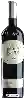
Winery Ettore PorelloBarbera d'Alba
 wine
wine
This wine generally goes well with
The Barbera d'Alba of the Winery Ettore Porello is in the top 0 of wines of Barbera d'Alba.
Details and technical informations about Winery Ettore Porello's Barbera d'Alba.
Discover the grape variety: Arrufiac
Arrufiac or Arrufiat is an old white grape variety that has existed since the 17th century and is part of the AOC Pacherenc de Vic-Bilh and Côtes-Saint-Mont in the South-West. It gives a wine rich in alcohol with a very characteristic nose. 100 hectares of Arrufiac are currently planted in France.
Informations about the Winery Ettore Porello
The Winery Ettore Porello is one of of the world's greatest estates. It offers 4 wines for sale in the of Barbera d'Alba to come and discover on site or to buy online.

The wine region of Barbera d'Alba
The wine region of Barbera d'Alba is located in the region of Piémont of Italy. Wineries and vineyards like the Domaine Bospoeper or the Domaine Roberto Voerzio produce mainly wines red and sweet. The most planted grape varieties in the region of Barbera d'Alba are Nebbiolo, they are then used in wines in blends or as a single variety. On the nose of Barbera d'Alba often reveals types of flavors of cream, stone or tree fruit and sometimes also flavors of oil, pomegranate or sage.
The wine region of Piedmont
Piedmont (Piemonte) holds an unrivalled place among the world's finest wine regions. Located in northwestern Italy, it is home to more DOCG wines than any other Italian region, including such well-known and respected names as Barolo, Barbaresco and Barbera d'Asti. Though famous for its Austere, Tannic, Floral">floral reds made from Nebbiolo, Piedmont's biggest success story in the past decade has been Moscato d'Asti, a Sweet, Sparkling white wine. Piedmont Lies, as its name suggests, at the foot of the Western Alps, which encircle its northern and western sides and form its naturally formidable border with Provence, France.
The word of the wine: Rebêche (champagne)
Must obtained in excess of the 2 550 litres authorised for a weight of 4 000 kilos of grapes. The first 2 050 litres constitute the cuvée and the next 500 litres the taille. The rebêche represents 1 to 3 % of the total volume and must be distilled or used to make ratafia.