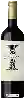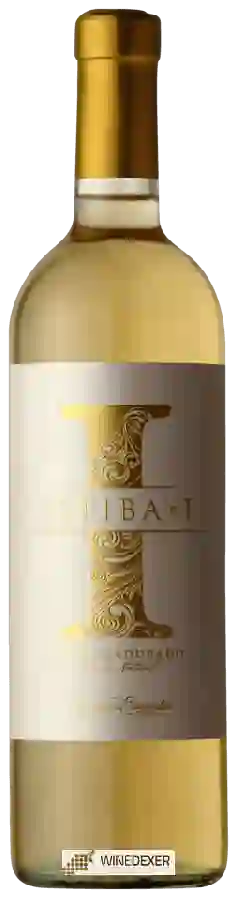
Bodegas EsmeraldaEstiba I Sohremadurado Dulce Natural
 White wine



This wine generally goes well with vegetarian, poultry or rich fish (salmon, tuna etc).
Food and wine pairings with Estiba I Sohremadurado Dulce Natural
Pairings that work perfectly with Estiba I Sohremadurado Dulce Natural



Original food and wine pairings with Estiba I Sohremadurado Dulce Natural


The Estiba I Sohremadurado Dulce Natural of Bodegas Esmeralda matches generally quite well with dishes of rich fish (salmon, tuna etc), shellfish or sweet desserts such as recipes of mackerel fillets (quick bake), cuttlefish in sauce or chocolate fondant.
Details and technical informations about Bodegas Esmeralda's Estiba I Sohremadurado Dulce Natural.
Discover the grape variety: Alphonse Lavallée
Alphonse Lavallée noir is a grape variety that originated in France. It produces a variety of grape used for wine making. However, it can also be found eating on our tables! This variety of grape is characterized by large bunches and large grapes. Alphonse Lavallée noir can be found in several vineyards: South-West, Cognac, Bordeaux, Rhône valley, Languedoc & Roussillon, Provence & Corsica, Loire valley, Savoie & Bugey, Beaujolais.
Last vintages of this wine
The best vintages of Estiba I Sohremadurado Dulce Natural from Bodegas Esmeralda are 2017, 2015, 0, 2016
Informations about the Bodegas Esmeralda
The Bodegas Esmeralda is one of of the world's greatest estates. It offers 46 wines for sale in the of Mendoza to come and discover on site or to buy online.

The wine region of Mendoza
Mendoza is by far the largest wine region in Argentina. Located on a high-altitude plateau at the edge of the Andes Mountains, the province is responsible for roughly 70 percent of the country's annual wine production. The French Grape variety Malbec has its New World home in the vineyards of Mendoza, producing red wines of great concentration and intensity. The province Lies on the western edge of Argentina, across the Andes Mountains from Chile.
The word of the wine: Eye
In tasting, this is the first phase of the analysis of the wine, which consists of describing its visual aspect (colour, intensity, clarity, brilliance and possible defects).