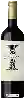
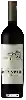
Bodegas EsmeraldaCabernet Sauvignon
 Red wine


In the mouth this red wine is a powerful with a nice balance between acidity and tannins.
This wine generally goes well with poultry, beef or lamb.

Taste structure of the Cabernet Sauvignon from the Bodegas Esmeralda
Light | Bold | |
Smooth | Tannic | |
Dry | Sweet | |
Soft | Acidic |
In the mouth the Cabernet Sauvignon of Bodegas Esmeralda in the region of Mendoza is a powerful with a nice balance between acidity and tannins.
Wine flavors and olphactive analysis


On the nose the Cabernet Sauvignon of Bodegas Esmeralda in the region of Mendoza often reveals types of flavors of non oak, oak or spices.
Food and wine pairings with Cabernet Sauvignon
Pairings that work perfectly with Cabernet Sauvignon



Original food and wine pairings with Cabernet Sauvignon
The Cabernet Sauvignon of Bodegas Esmeralda matches generally quite well with dishes of beef, lamb or poultry such as recipes of beef bourguignon with cookéo, pastasotto pepper merguez (risotto style pasta) or quiche without pastry.
Details and technical informations about Bodegas Esmeralda's Cabernet Sauvignon.
Discover the grape variety: Cabernet-Sauvignon
Structured, tannic reds, deeply coloured, with aromas of blackcurrant, blackberry, cedar, tobacco and graphite, underpinned by firm acidity and fine ageing potential. Cornerstone of the great Médoc estates (Pauillac, Saint-Estèphe, Saint-Julien) and signature of Napa Valley, Coonawarra and Maipo. The world's most planted red variety, a natural cross of Cabernet Franc x Sauvignon Blanc born in Bordeaux.
Last vintages of this wine

The best vintages of Cabernet Sauvignon from Bodegas Esmeralda are 2019, 2013, 2015, 2018 and 2017.
Informations about the Bodegas Esmeralda
The Bodegas Esmeralda is one of of the world's greatest estates. It offers 46 wines for sale in the of Mendoza to come and discover on site or to buy online.

The wine region of Mendoza
World capital of Malbec: powerful, deep reds with blackberry, plum, violet and sweet spice, round tannins and vivid fruit. Also firm Cabernet Sauvignon, supple, juicy Bonarda, aromatic floral white Torrontés. High-altitude vineyards (800-1,700 m) at the foot of the Andes, dry continental climate irrigated by glacial waters. ~80% of Argentine output across 150,000 ha.
The word of the wine: Rosé de saignée
A method of making rosé wine that consists of partially draining a vat of red wine after a few hours of maceration. The longer the maceration, the stronger the colour. This practice gives rich and expressive rosés.