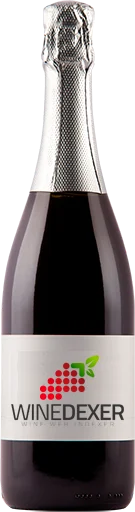
Winery Escoda-SanahujaPet Nat Mètode Ancestral
 Sparkling wine


This wine generally goes well with
The Pet Nat Mètode Ancestral of the Winery Escoda-Sanahuja is in the top 30 of wines of Conca de Barberà.

Details and technical informations about Winery Escoda-Sanahuja's Pet Nat Mètode Ancestral.
Discover the grape variety: Parellada
Lively, elegant whites with finely chiselled acidity and a light palate, with aromas of lemon, green apple, white flowers, fresh herbs and discreet mineral notes. Brings freshness and aromatic finesse to Cava DO blends (with macabeo and xarel-lo), defining the taut identity of Catalan sparkling wines. Also as light still whites in Penedès DO and Conca de Barberà DO. Native Catalan variety grown at altitude.
Last vintages of this wine

The best vintages of Pet Nat Mètode Ancestral from Winery Escoda-Sanahuja are 2016, 0, 2015
Informations about the Winery Escoda-Sanahuja
The Winery Escoda-Sanahuja is one of of the world's greatest estates. It offers 12 wines for sale in the of Conca de Barberà to come and discover on site or to buy online.

The wine region of Conca de Barberà
Catalan DOP north of Tarragona between mountains, Mediterranean climate with hot summers. Signature Trepat native exclusive to the zone: indulgent rosés and fine reds with notes of wild strawberry, red cherry, raspberry, redcurrant, violet and floral touch, fine tannins and elegant palate — qualitative revival over 20 years. Macabeu and Parellada in lively whites (base of local Cava). Supple Tempranillo (Ull de Llebre), fruity Garnacha, firm Cabernet.
The wine region of Catalogne
Cradle of Cava (~95% of Spanish output, traditional method): Macabeo, Xarel-lo, Parellada trilogy, fine fruity bubble. Quality peak in Priorat DOCa: dense, mineral reds on llicorella (schist), old-vine Garnacha and Cariñena with black fruit, garrigue notes, firm tannins. Also Penedès, fleshy Montsant, sunny Empordà, Costers del Segre. Mediterranean.
The word of the wine: Fruity
A wine whose nose is first characterized by aromas reminiscent of the world of fruit. A wine to be drunk young is essentially fruity, but all wines offer this type of aroma in the first place, which can evolve over time, from the scent of fresh fruit to cooked, stewed, candied or brandied fruit.