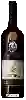
Winery San MartinAlma de Unx Garnacha
 Red wine



In the mouth this red wine is a powerful.
This wine generally goes well with poultry, beef or game (deer, venison).

Taste structure of the Alma de Unx Garnacha from the Winery San Martin
Light | Bold | |
Smooth | Tannic | |
Dry | Sweet | |
Soft | Acidic |
In the mouth the Alma de Unx Garnacha of Winery San Martin in the region of Navarre is a powerful.
Wine flavors and olphactive analysis

Food and wine pairings with Alma de Unx Garnacha
Pairings that work perfectly with Alma de Unx Garnacha



Original food and wine pairings with Alma de Unx Garnacha


The Alma de Unx Garnacha of Winery San Martin matches generally quite well with dishes of beef, pasta or lamb such as recipes of roast monkfish with bacon, seafood lasagna or express couscous in a pressure cooker.
Details and technical informations about Winery San Martin's Alma de Unx Garnacha.
Discover the grape variety: Golden muscat
Aromatic, sweet and original whites with a pale golden color, supple palate and variable acidity, offering intense signature aromas of muscat, fresh grapes, white flowers and characteristic foxy notes (typical of Vitis labrusca, reminiscent of strawberry and candy). An exotic, indulgent profile. Grown in the north-east USA (New York) and widely exported to Japan for sweet wines, sparkling and table grape consumption. American hybrid created in 1925.
Last vintages of this wine
The best vintages of Alma de Unx Garnacha from Winery San Martin are 2014, 2010, 0, 2011 and 2013.
Informations about the Winery San Martin
The Winery San Martin is one of of the world's greatest estates. It offers 48 wines for sale in the of Navarre to come and discover on site or to buy online.

The wine region of Navarre
Spanish reference for great Garnacha rosés: raspberry-pink colour, notes of crushed strawberry, cherry, citrus and white flowers, dry and gourmet palate. The emblematic grape (~70% of reds in the past), also in supple, sun-filled reds. Tempranillo on the rise in modern blends, fine spicy Graciano, Cabernet and Merlot. Fresh Chardonnay and Viura whites.
The word of the wine: Guyot (pruning)
This is the most widespread pruning technique. It includes one or two long branches and allows the mechanization of a large number of vineyard operations.