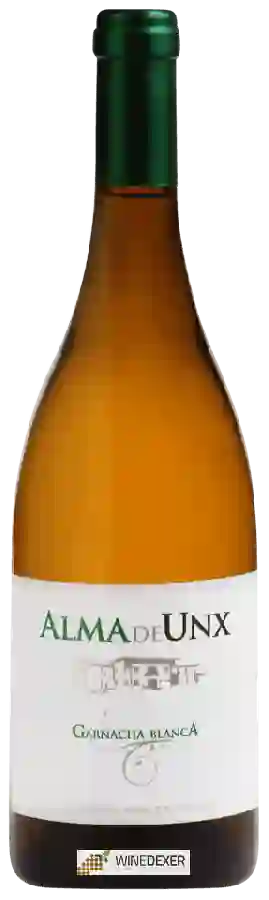
Winery San MartinAlma de Unx Garnacha Blanca
 White wine



This wine generally goes well with
Details and technical informations about Winery San Martin's Alma de Unx Garnacha Blanca.
Discover the grape variety: Diolinoir
Intraspecific cross between robin noir and pinot noir obtained in 1970 by André Jacquinet of the Swiss Federal Research Station Agroscope Changins-Wadenswil (Switzerland).
Last vintages of this wine
The best vintages of Alma de Unx Garnacha Blanca from Winery San Martin are 0
Informations about the Winery San Martin
The Winery San Martin is one of of the world's great estates. It offers 48 wines for sale in the of Navarre to come and discover on site or to buy online.

The wine region of Navarre
Navarra, in northern Spain, is one of the country's 17 first-level administrative regions (comunidades autónomas) and a fairly prolific, if lesser-known, wine region. Traditionally associated with the production of Bright, Fruity rosé, Navarra is beginning to attract attention for its high-quality red wines, mainly from the Tempranillo, Cabernet Sauvignon and Merlot grapes, after years of being overshadowed by its southern neighbor, Rioja. The first evidence of wine-making in the region dates back to Roman times, but it is almost certain that Vines were growing here Long before that. It was recently discovered that vines of the prehistoric species Vitis sylvestris - the predecessor of the beloved Vitis vinifera - were still growing in Navarre.
The word of the wine: Grand cru classé
In the Bordeaux region, this refers to certain châteaux in the Médoc and also in Saint-Émilion which are classified.