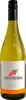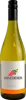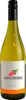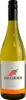
Winery Tierra de OroJoven Valdepeñas
 White wine


This wine generally goes well with
Wine flavors and olphactive analysis

On the nose the Joven Valdepeñas of Winery Tierra de Oro in the region of Castille often reveals types of flavors of tree fruit.
Details and technical informations about Winery Tierra de Oro's Joven Valdepeñas.
Discover the grape variety: Courbu blanc
Native variety of the Pyrenean vineyard that does not correspond to the white form of the courbu noir. It should not be confused with the petit courbu, published genetic analysis has shown that it is related to one or more varieties including the lercat and for more details click here! Courbu blanc is registered in the official catalogue of wine grape varieties, list A1.
Last vintages of this wine
The best vintages of Joven Valdepeñas from Winery Tierra de Oro are 2017, 2016, 0, 2018
Informations about the Winery Tierra de Oro
The Winery Tierra de Oro is one of of the world's great estates. It offers 20 wines for sale in the of Valdepeñas to come and discover on site or to buy online.

The wine region of Valdepeñas
The wine region of Valdepeñas is located in the region of Castille of Spain. Wineries and vineyards like the Domaine Corrales Espinosa or the Domaine Corcovo - Megía e Hijos produce mainly wines red, white and pink. The most planted grape varieties in the region of Valdepeñas are Tempranillo, Verdejo and Airen, they are then used in wines in blends or as a single variety. On the nose of Valdepeñas often reveals types of flavors of cherry, floral or anise and sometimes also flavors of tomatoes, red currant or white pepper.
The wine region of Castille
Castilla-La Mancha is a large region located South and east of the Spanish capital, Madrid. Inexpensive table wines are produced from a variety of Grapes. Higher quality wines are increasingly available, but the region is traditionally known as a source of low quality bulk wine. More than half of Spain's grapes are grown here.
The word of the wine: Deposit
Solid particles that can naturally coat the bottom of a bottle of wine. It is rather a guarantee that the wine has not been mistreated: in fact, to avoid the natural deposit, rather violent processes of filtration or cold passage (- 7 or - 8 °C) are used in order to precipitate the tartar (the small white crystals that some people confuse with crystallized sugar: just taste to dissuade you from it)