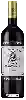
Winery Dinastía ManzanosGraciano
 Red wine


In the mouth this red wine is a powerful with a nice balance between acidity and tannins.
This wine generally goes well with poultry, beef or veal.

Taste structure of the Graciano from the Winery Dinastía Manzanos
Light | Bold | |
Smooth | Tannic | |
Dry | Sweet | |
Soft | Acidic |
In the mouth the Graciano of Winery Dinastía Manzanos in the region of Rioja is a powerful with a nice balance between acidity and tannins.
Food and wine pairings with Graciano
Pairings that work perfectly with Graciano



Original food and wine pairings with Graciano

The Graciano of Winery Dinastía Manzanos matches generally quite well with dishes of beef, lamb or veal such as recipes of grandma melanie's cassoulet, meatballs catalan style or mouse of lamb with thyme.
Details and technical informations about Winery Dinastía Manzanos's Graciano.
Discover the grape variety: Ciliegiolo
Supple and moreish reds with a deep ruby colour, melted tannins and a round palate, on intense aromas of ripe red cherry (hence its name, ciliegio = cherry tree), raspberry, plum, violet and sweet spices. Fresh acidity, best drunk young or for short ageing. Vinified as a single variety in Maremma Toscana DOC, Lazio and Umbria, and blended with Sangiovese (of which it may be the genetic parent). Native Tuscan Italian variety.
Last vintages of this wine
The best vintages of Graciano from Winery Dinastía Manzanos are 0
Informations about the Winery Dinastía Manzanos
The Winery Dinastía Manzanos is one of of the world's great estates. It offers 16 wines for sale in the of Rioja to come and discover on site or to buy online.

The wine region of Rioja
Star of great Spanish reds: signature Tempranillo, elegant and complex, with notes of ripe cherry, plum, leather, vanilla and tobacco from American oak ageing. Classification by age: fruity Joven, balanced Crianza, ample Reserva, deep, silky Gran Reserva (5 years, 2 in barrel). Some fresh Viura whites and generous rosés. Spain's first DOCa (1991), 3 sub-zones (Alta, Alavesa, Oriental), 93.
The word of the wine: Smoked white
See sauvignon.